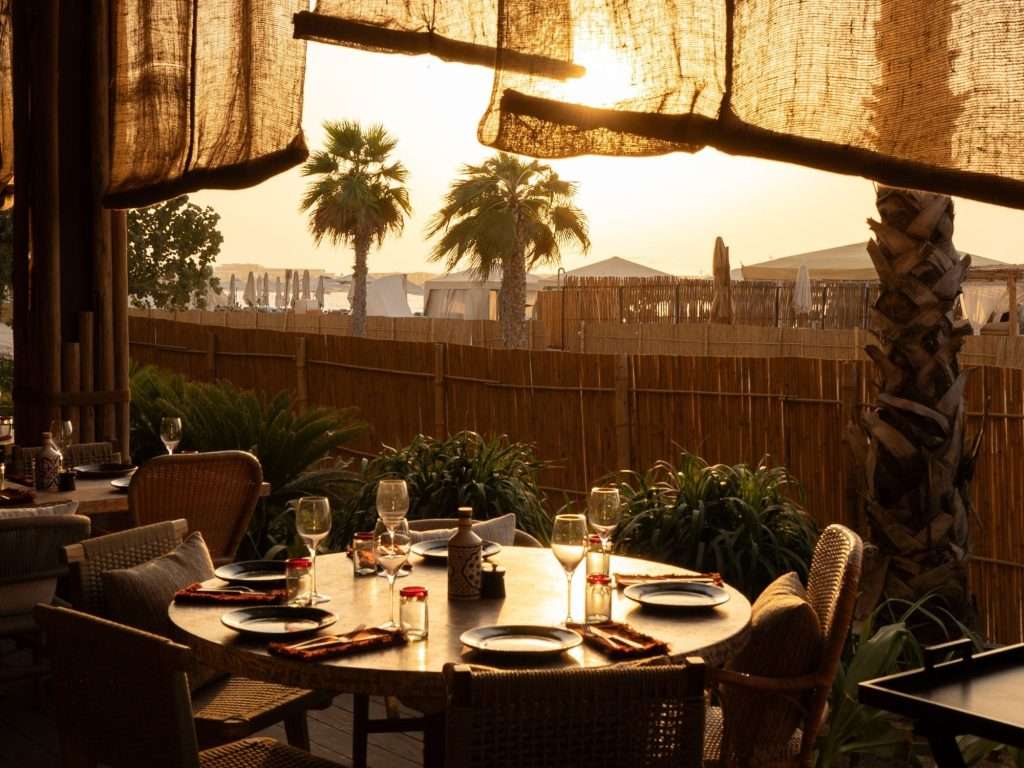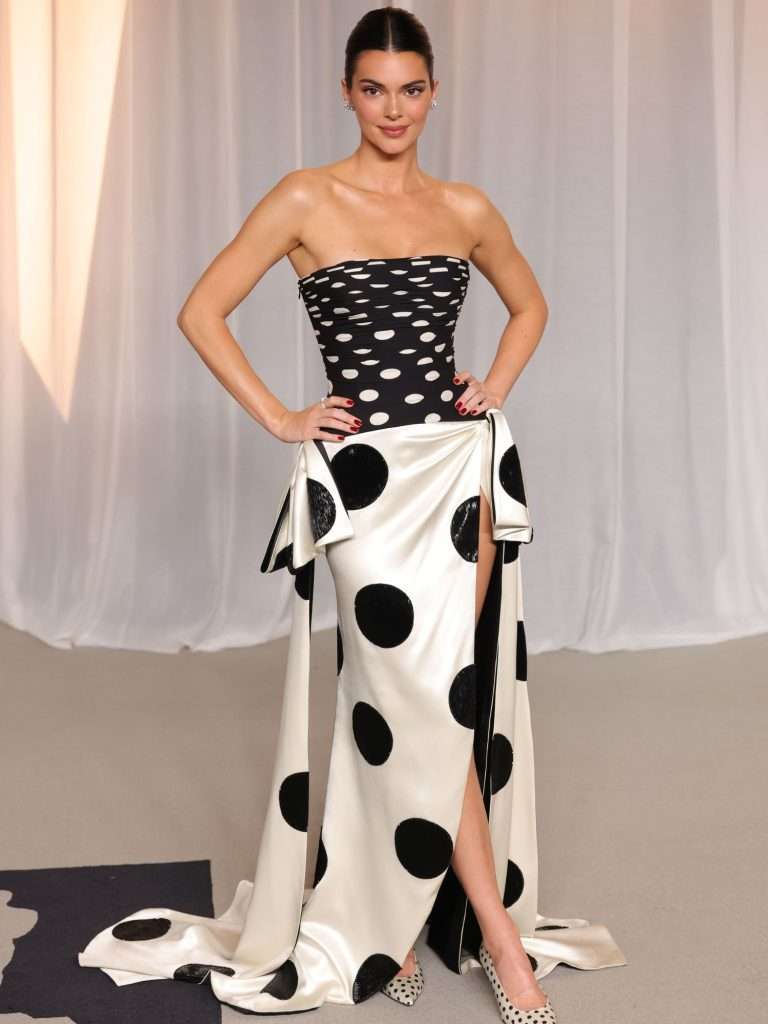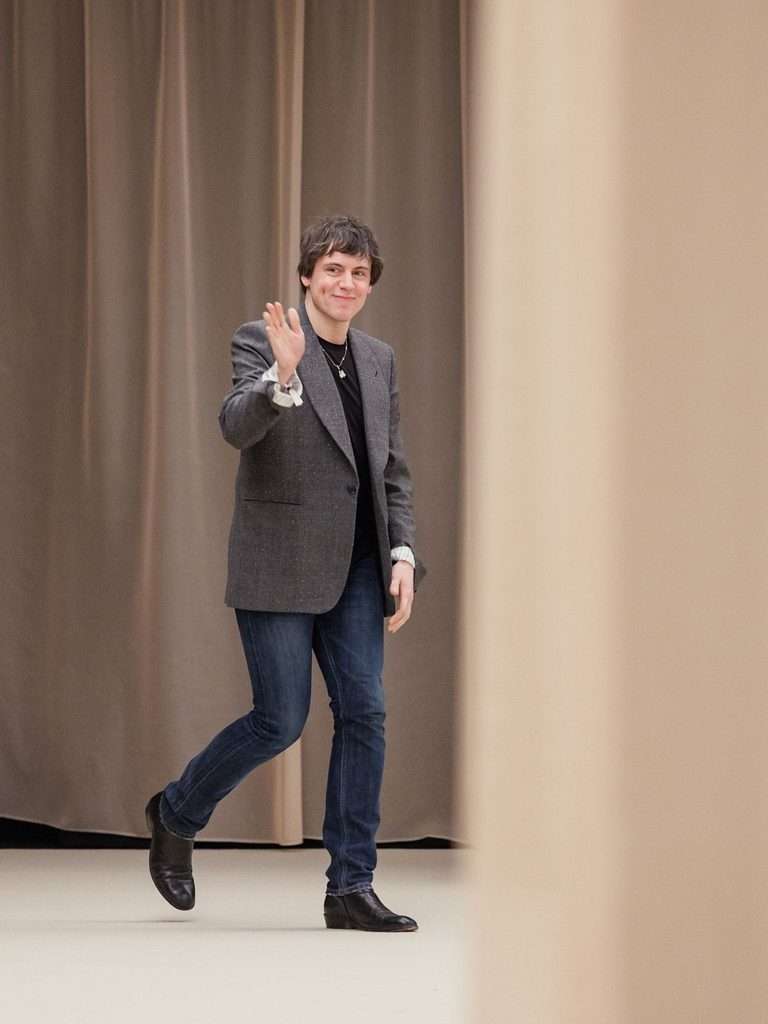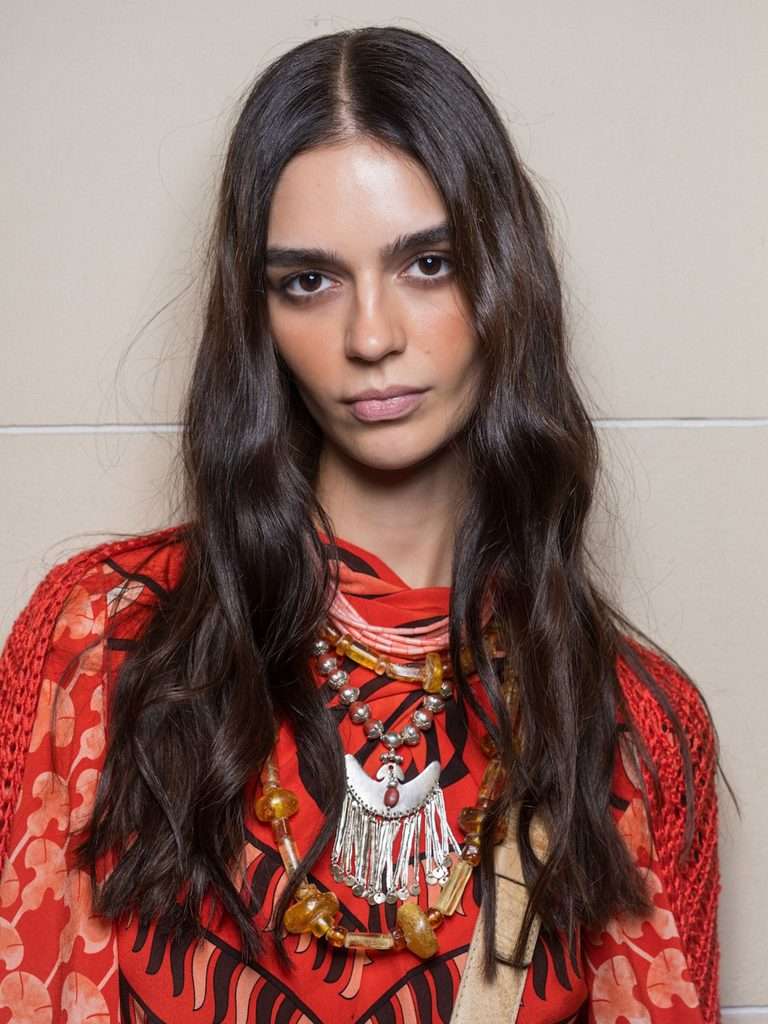

The 2026 Cruise collections have been revealed; Louis Vuitton presented its collection in The Frick in New York City, while Gucci took to Times Square for a star-studded show. Cruise has become a dominant format in the luxury ecosystem and, in this region especially, cruise never really leaves the conversation. Instead, it behaves as a cultural reference point and an ongoing appetite for escape.
One of the most heavily discussed cruise collections of recent seasons is the Dior Cruise 2020 collection, unveiled in Marrakech inside El Badi Palace. At first glance, it appears that the setting did most of the work. The palace itself is not a backdrop but rather a place with its own presence: vast courtyards, exposed stone and a sense of architectural absence that already carries its own narrative. Instead of smoothing that out, Dior leaned directly into it.

A majestic water feature lit by candlelight under the open sky replaced the expected minimal runway codes. As the light dropped, the environment shaped the tone of the clothes as much as the clothes shaped the environment. The scale also played a part: hundreds of guests were positioned around the space in a way that blurred the line between audience and participants, show and installation.
The show brought together a wide spectrum of references and collaborations, including guest designers and artisans from across different regions. Jamaican-British designer Grace Wales Bonner, African-American artist Mickalene Thomas and famed Côte d’Ivoire-based designer Pathé’O were a part of the collaborative effort, as were African tribal craftspeople and Sumano, a Moroccan association that aims to preserve traditional craft. On paper, it was framed as dialogue and exchange. In execution, it was a layered construction of global craft languages filtered through a single luxury House system.

There was visible emphasis on textile history: wax-print fabrics, embroidery traditions, weaving techniques and references drawn from multiple cultural sources. The narrative presented was one of craft mobility – materials and techniques travelling across geographies, reshaped through contact, reinterpretation and institutional luxury production.
That idea was reinforced through Chiuri’s own positioning of the collection as a form of collaboration rather than extraction. The show was framed around shared craft knowledge and the importance of preserving techniques through visibility at scale. At the same time, it sat inside the ongoing tension that defines much of contemporary luxury: where appreciation ends and appropriation debates begin, and how brands operate inside that line rather than outside it.
But what made Marrakech particularly significant was not just the collection itself – it was the way the entire production treated fashion as environment design. Everything was controlled as one system: lighting, sound, spatial layout and movement. The clothes were part of a larger constructed experience designed for impact both in person and through global circulation after the fact.

Even the soundtrack – live musicians blended with electronic composition – added to that sense of layered atmosphere.
Although it has only been six years since Dior’s Marrakech show, it still gets revisited. Not because it marked a beginning or a peak, but because it made the system visible. Cruise is not (just) about resort clothes. It is about constructing worlds designed to be consumed in images long after the physical moment has ended and, at the very least, making attendees feel like they are part of something bigger.