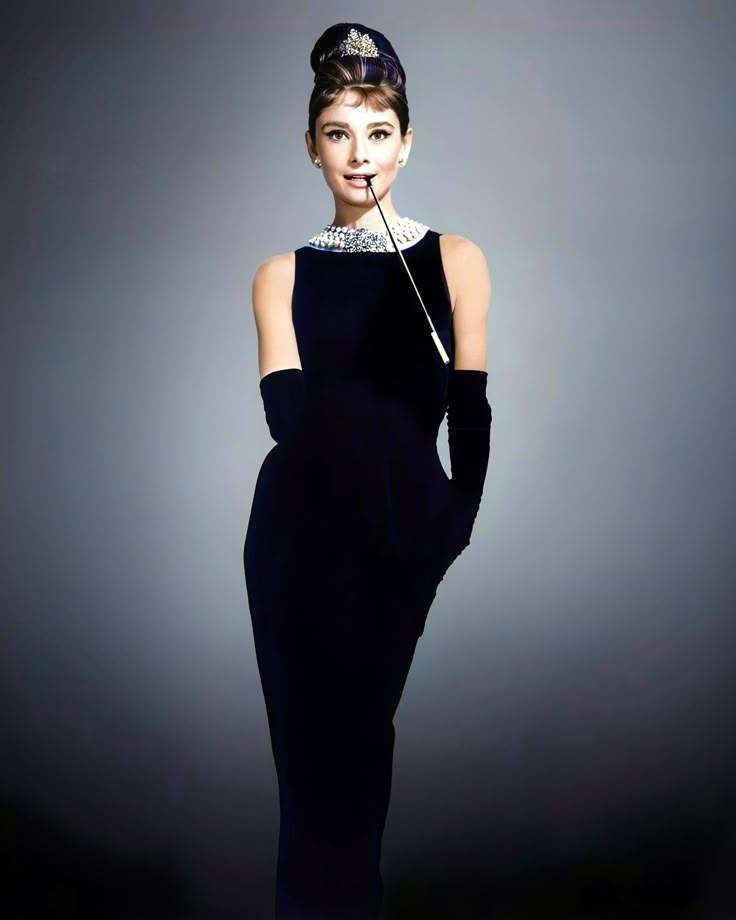
From Audrey Hepburn’s little black dress in Breakfast at Tiffany’s to the futuristic trench coats of The Matrix, the dialogue between cinema and style has been going on for more than a century. Films don’t just tell stories – they create worlds we want to inhabit, wardrobes we want to live in. Even today, decades after the credits roll, fashion in film continues to ripple through runways, street style, and the cultural imagination.
Cinema has always been a mirror – and sometimes a magnifying glass – for how we see ourselves. When Hepburn’s Holly Golightly stepped onto Fifth Avenue in that Givenchy dress, pearls, and dark sunglasses, she didn’t just embody elegance; she defined it. The film transformed the “little black dress” from a simple garment into a symbol of sophistication, independence, and modern femininity. In the same way, Diane Keaton’s menswear layering in Annie Hall in the 1970s redefined what women could wear, blending eccentricity with self-expression and reshaping gendered fashion codes.
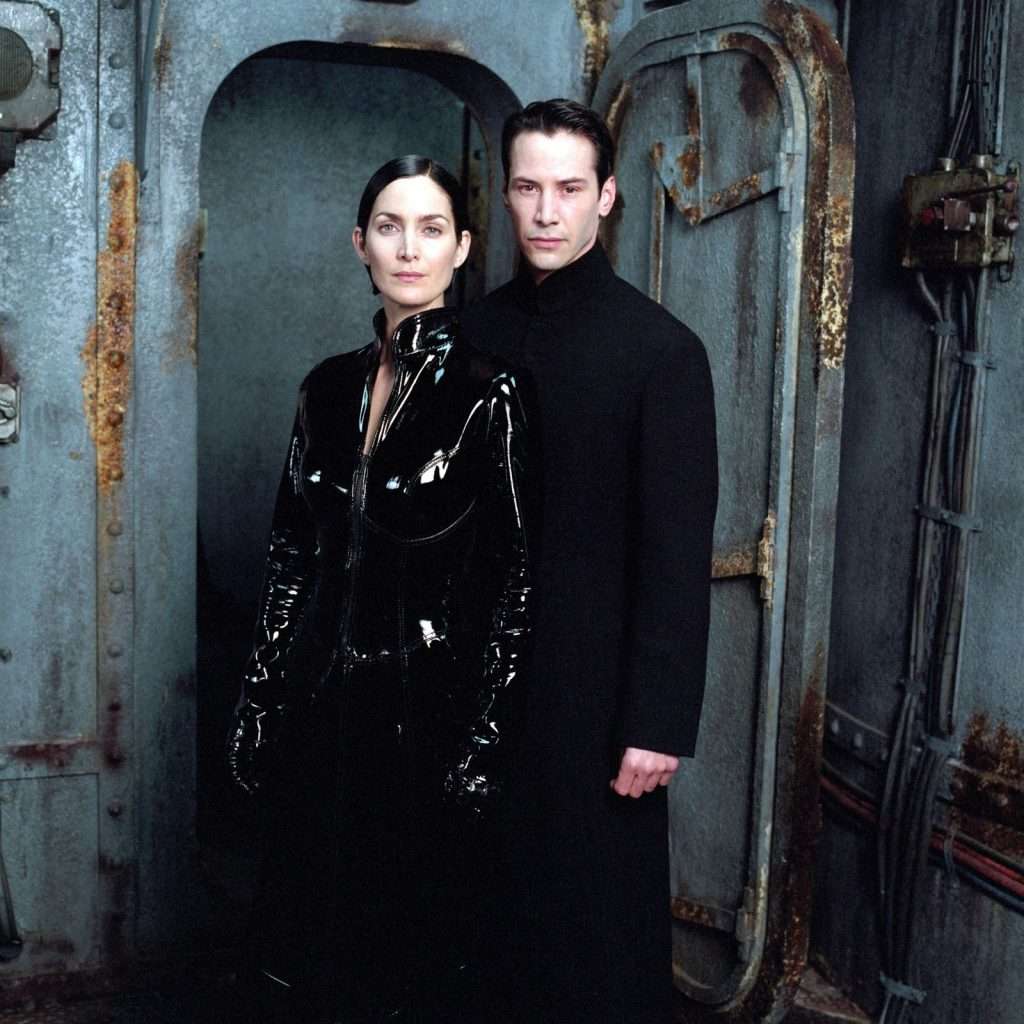
Fast forward to 1999’s The Matrix, where costume designer Kym Barrett crafted the film’s slick, black leather and trench-coat-heavy world. The look was both cyberpunk and minimalist – and decades later, its impact is still seen on Balenciaga runways and in the quiet dominance of sleek, monochrome tailoring. The Matrix didn’t just forecast tech dystopia; it predicted the aesthetic of a digital age.
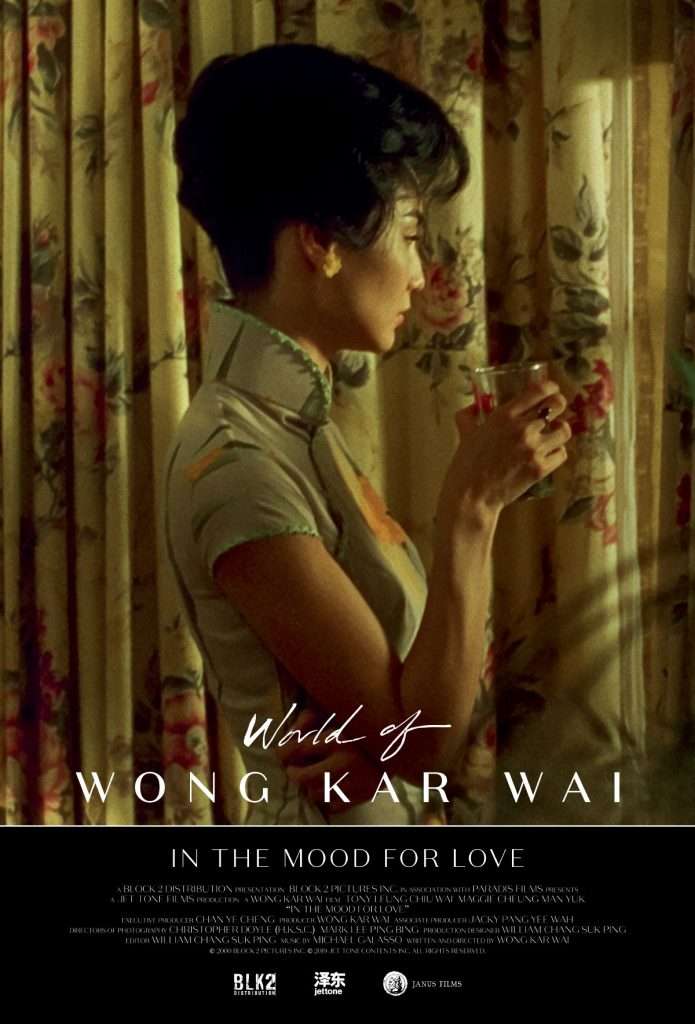
But fashion in film isn’t only born from Hollywood. Across the globe, cinema has told its own fashion stories – ones that challenge, celebrate, and reinvent what beauty looks like. In Wong Kar-wai’s In the Mood for Love (2000), Maggie Cheung’s impeccable cheongsams communicate longing more than dialogue ever could. The film is a study in restraint and emotion, with clothing acting as emotional architecture. Similarly, in Black Panther (2018), costume designer Ruth E. Carter fused Afrofuturism with traditional African textiles and forms, creating a cinematic wardrobe that reclaimed cultural heritage while projecting it into the future.
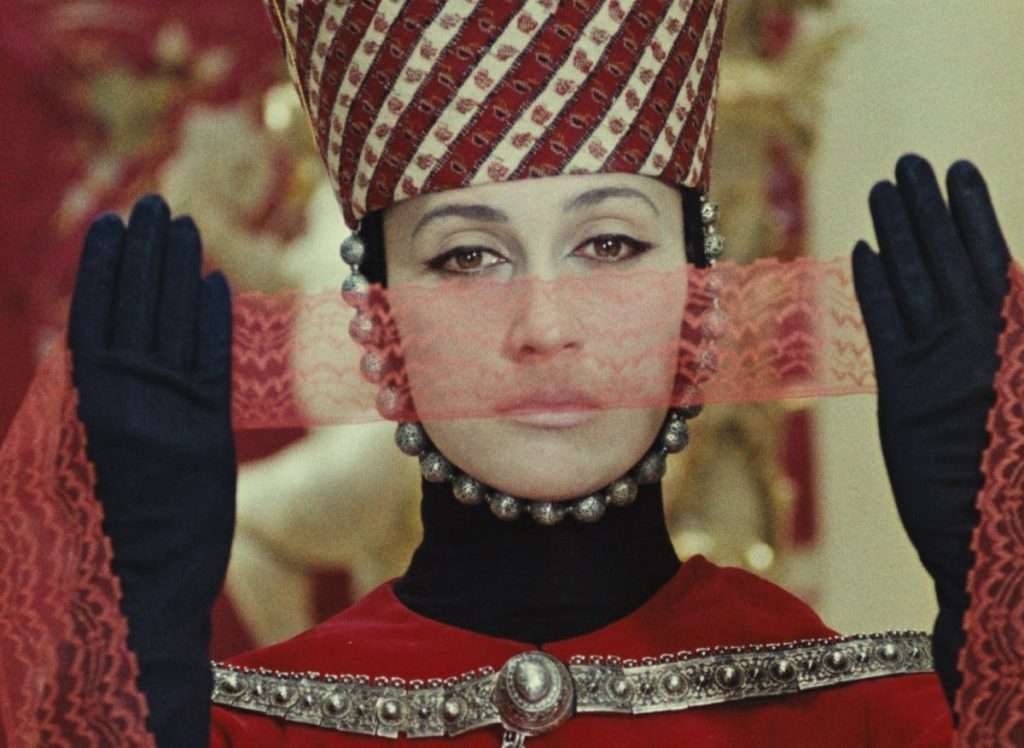
Across continents, filmmakers have long used clothing to express identity, desire and belonging – none more strikingly than Sergei Parajanov’s The Colour of Pomegranates (1969). A cornerstone of Armenian cinema, the film reimagines the life of the troubadour Sayat-Nova through a sequence of dreamlike tableaux saturated with crimson, gold and intricate textiles. Every frame feels woven rather than filmed. For Armenians, the pomegranate is more than a motif – it is a national emblem of resilience, continuity and rebirth – and Parajanov threads that symbolism through garments, carpets and ceremonial fabrics until costume itself becomes the language of memory. Rather than dressing characters, he dresses emotion and history. Like Maggie Cheung’s cheongsams in In the Mood for Love or Ruth E. Carter’s Afrofuturist designs in Black Panther, Parajanov’s vision shows how fashion on screen can transcend aesthetics to become cultural scripture. In The Colour of Pomegranates, clothing is both story and soul – proof that what we wear in film can help articulate an entire civilisation’s identity.
When Brands Become Filmmakers
If the 20th century gave us fashion in film, the 21st has given us fashion as film. Increasingly, luxury Houses are moving beyond the runway to craft full cinematic experiences – short films that blend narrative, art direction, and style to create mood rather than marketing.
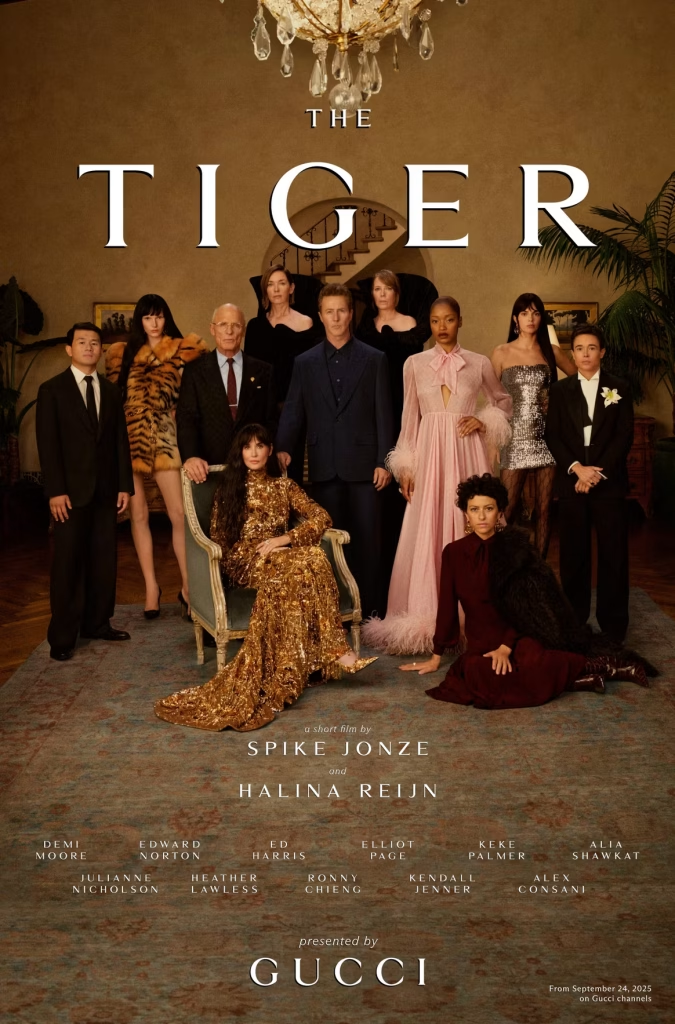
Gucci’s recent short film The Tiger, directed by Halina Reijn and Spike Jonze, skips the catwalk entirely. Instead, it gathers a star-studded cast – including Demi Moore, Kendall Jenner and Keke Palmer – around a table for a darkly comic family dinner. The tension, the glances, the clothes: everything operates in dialogue. The garments become emotional cues, just like dialogue or cinematography. It’s a far cry from the conventional campaign – it’s storytelling dressed in Gucci.
Prada pioneered this format a decade earlier with A Therapy, a short film directed by Roman Polanski and starring Ben Kingsley and Helena Bonham Carter, where a therapist’s obsession with a client’s coat becomes the film’s central metaphor. Kenzo followed with The Realest Real, directed by Carrie Brownstein, and Snowbird, shot by Tangerine’s Sean Baker, turning fashion campaigns into full narrative art films.
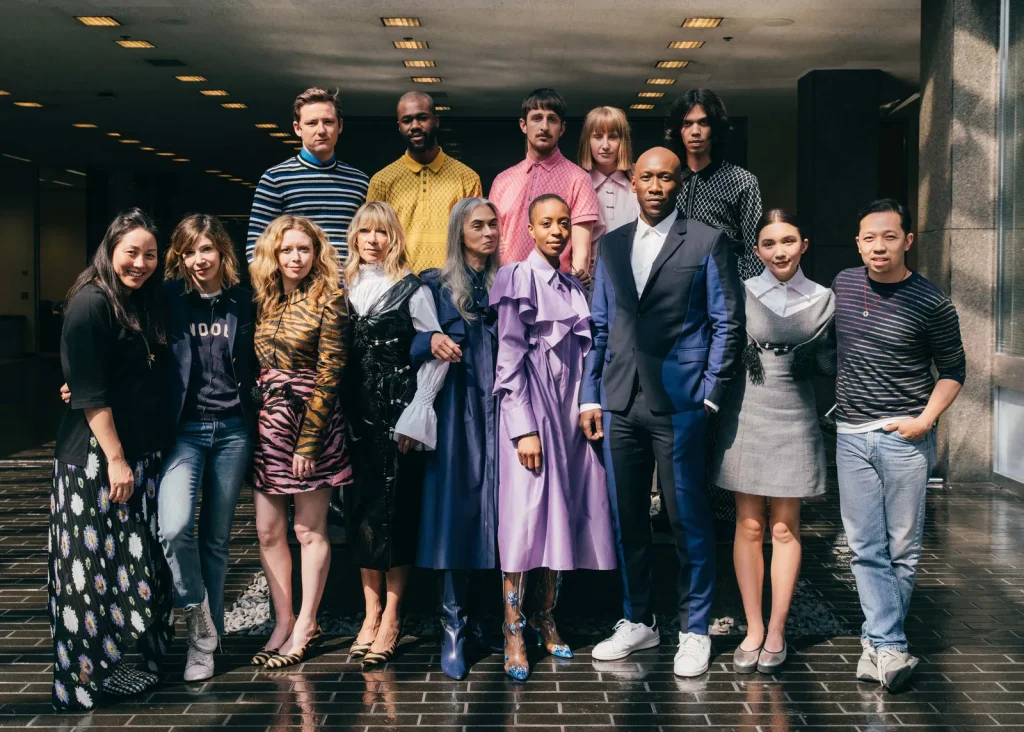
These cinematic campaigns reveal how fashion and film have merged into one creative ecosystem. Fashion no longer needs cinema’s permission to enter the screen – it is the screen. Brands are no longer just selling clothes; they’re crafting worlds, characters, and emotional experiences around their collections. The fusion of cinematic storytelling with fashion’s visual vocabulary reflects a deeper cultural moment – one where audiences crave authenticity, diversity, and a sense of immersion rather than mere glamour.
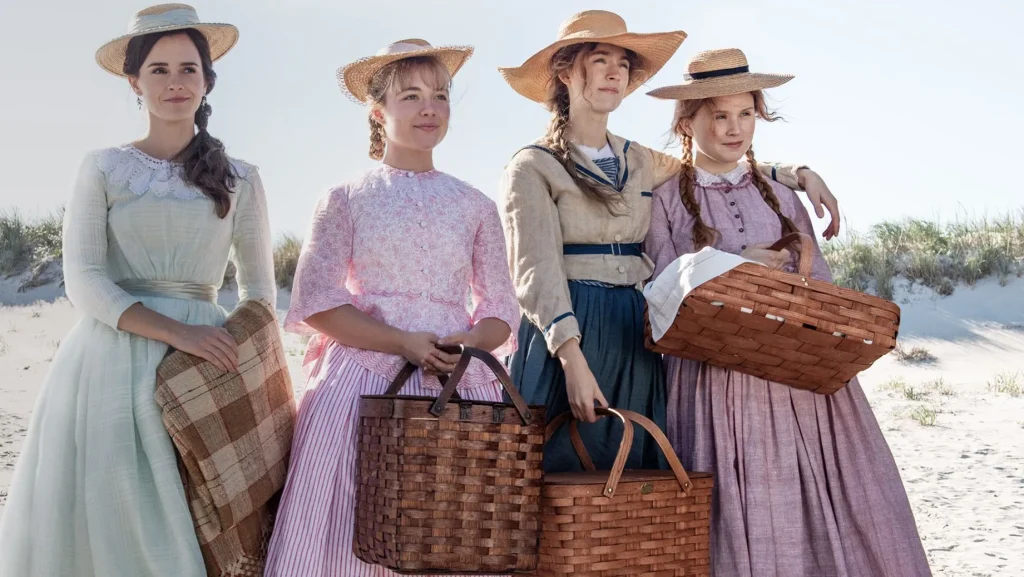
In the streaming era, where scenes are clipped, shared, and screenshotted instantly, fashion in film carries more cultural weight than ever. Costumes become instantly iconic – think Zendaya’s sculptural gowns in Dune: Part Two or the contemporary romanticism of Greta Gerwig’s Little Women. The line between film costume and real-world fashion has never been thinner.
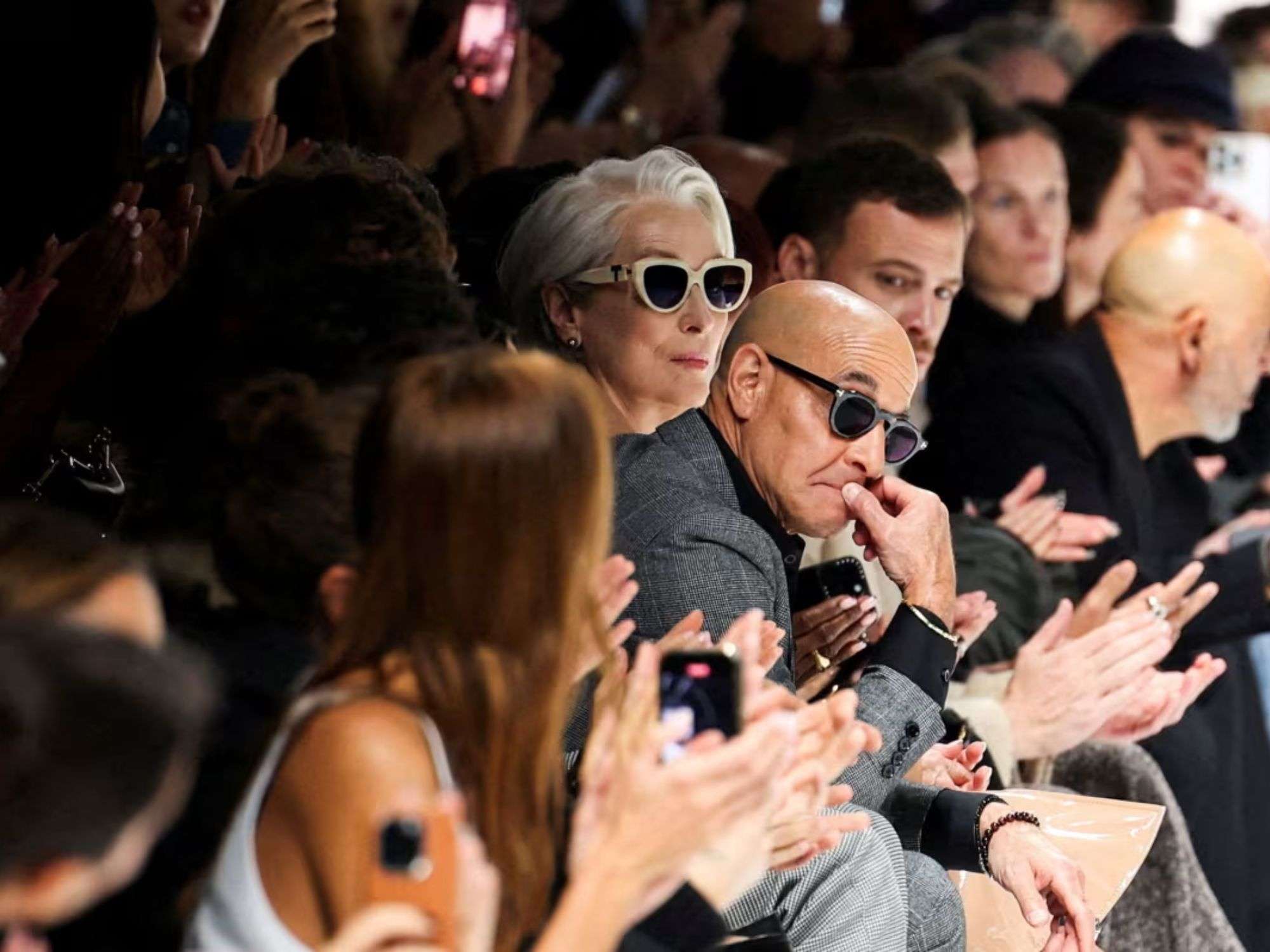
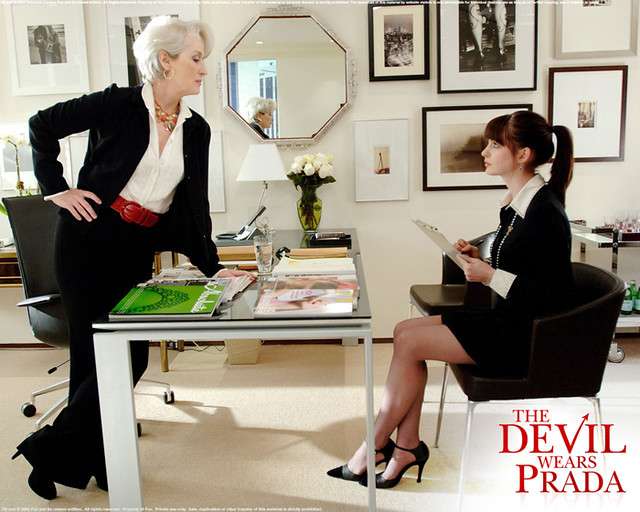
Few films capture the entwined relationship between fashion and cinema as vividly as The Devil Wears Prada. The 2006 classic, allegedly inspired by Anna Wintour’s world at Vogue, transformed the inner workings of fashion media into cinematic legend – all sharp tailoring, sharpened wit, and editorial power plays. Nearly two decades later, the sequel hits cinemas on 1 May 2026, blurring the line between fiction and the industry it once satirised. Scenes were recently filmed at Dolce & Gabbana’s Spring/Summer 2026 show in Milan, where Meryl Streep, reprising her role as Miranda Priestly, appeared front row opposite Wintour herself. The moment – half performance, half reality – captured how the film and fashion worlds now exist in the same cultural frame. In an era where editors, designers, and influencers share a single digital stage, The Devil Wears Prada 2 feels less like a send-up of fashion and more like a reflection of it. What once parodied the industry has become part of its heritage – a reel that has fully become real.
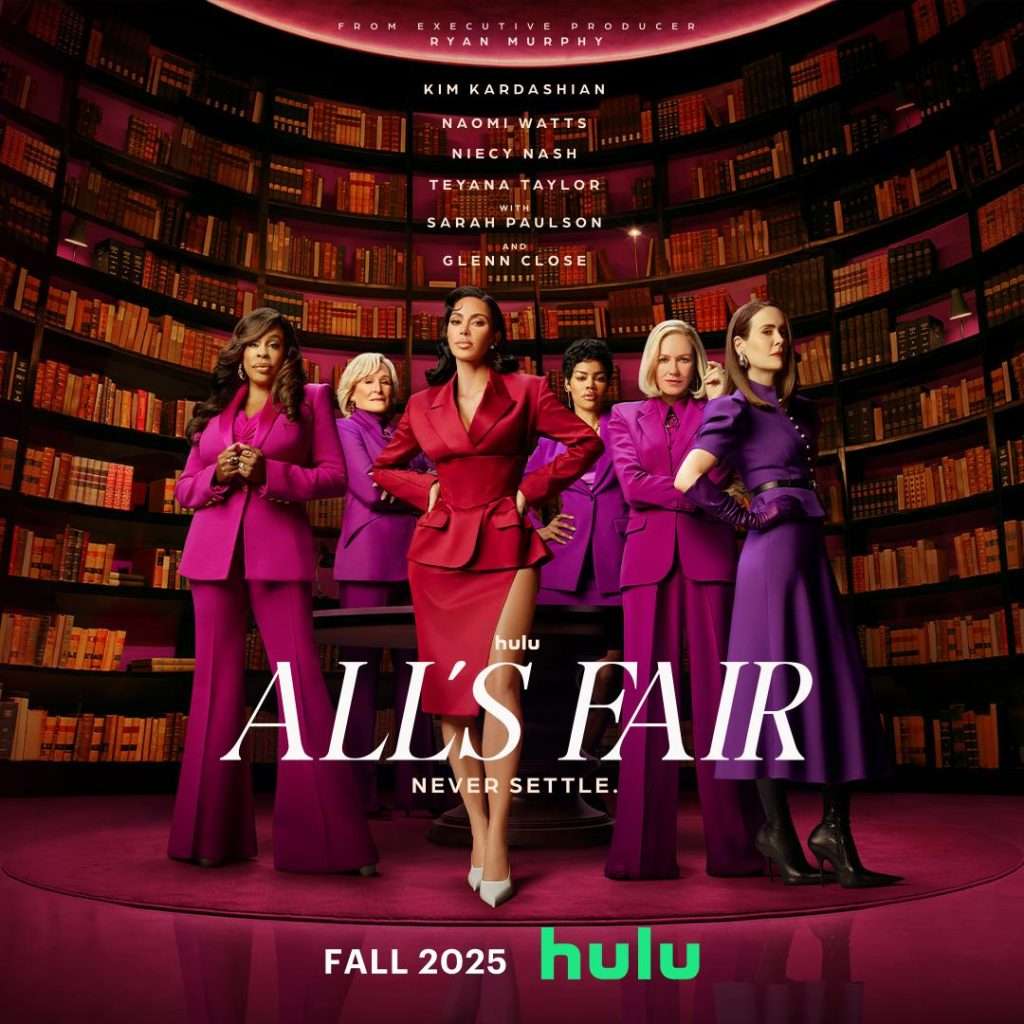
The ongoing dialogue between fashion and the screen continues with the legal drama All’s Fair, created by American Horror Story and Feud writer Ryan Murphy. The series has generated major buzz – partly for the acting by a stellar cast (led by Kim Kardashian), and partly for its strikingly stylised world of power dressing and visual polish. While the plot may have been picked apart by critics, the sharp tailoring, sculpted silhouettes, and luxe minimalism have made it one to watch for fashion enthusiasts as much as TV audiences. Off-screen, Kardashian’s press-tour wardrobe has amplified that anticipation: she arrived at the London premiere in a black leather corset dress from Dilara Findikoglu’s Spring/Summer 2026 “Cage of Innocence” collection, and later appeared in a vintage John Galliano for Dior gown from Spring 2000. Though she isn’t the series’ costume designer, Kardashian’s dual role as star and executive producer – and her own history as a fashion figure – ensure that All’s Fair blurs the boundary between style and storytelling.
Ultimately, what makes fashion in film so enduring is its power to define both fantasy and reality. The dresses, coats, and silhouettes we remember aren’t just relics of a screen moment; they’re blueprints of self-expression. As audiences, we don’t just watch – we adopt, adapt, and reinterpret. Cinema may fade to black, but its fashion never truly exits the frame.