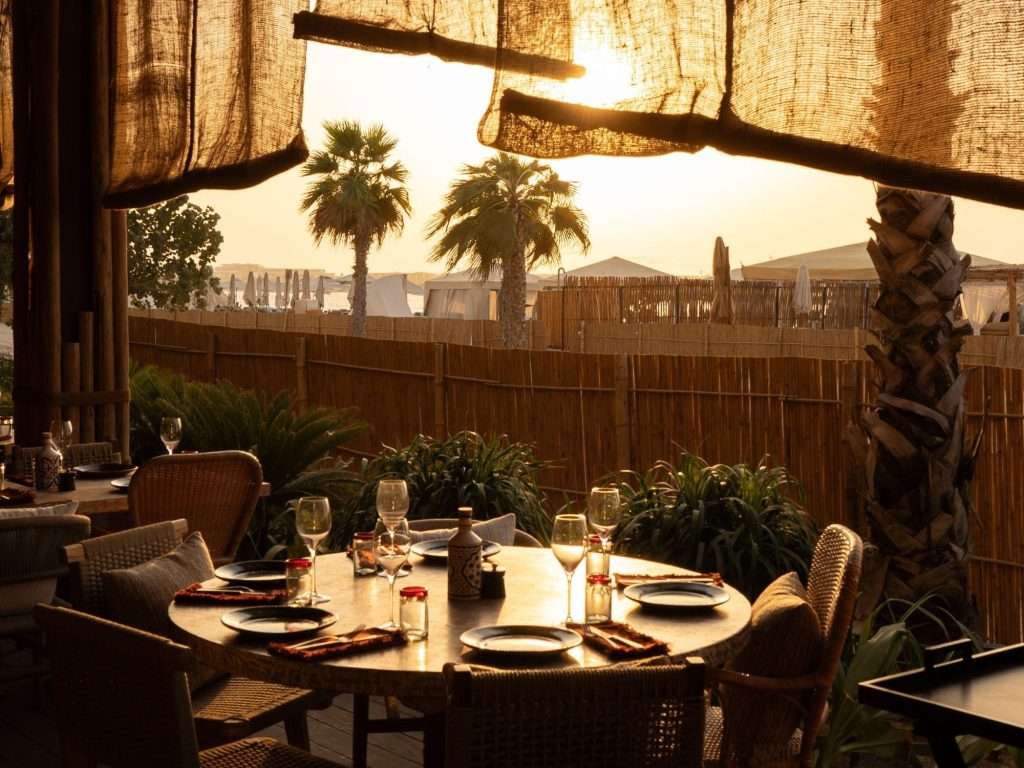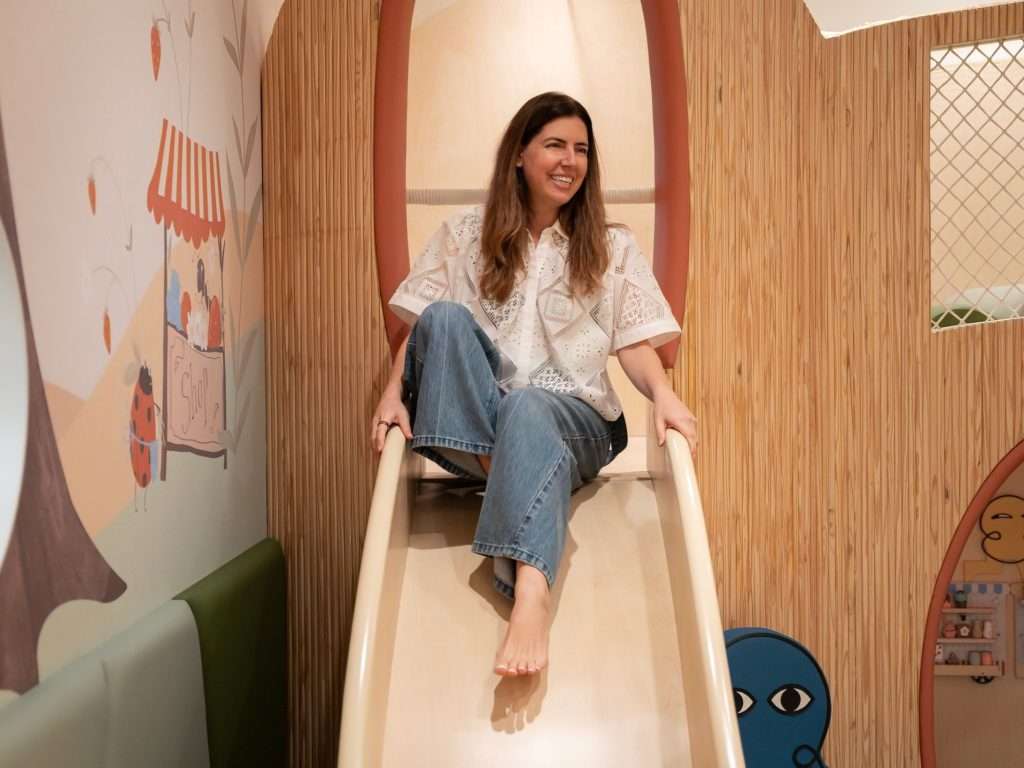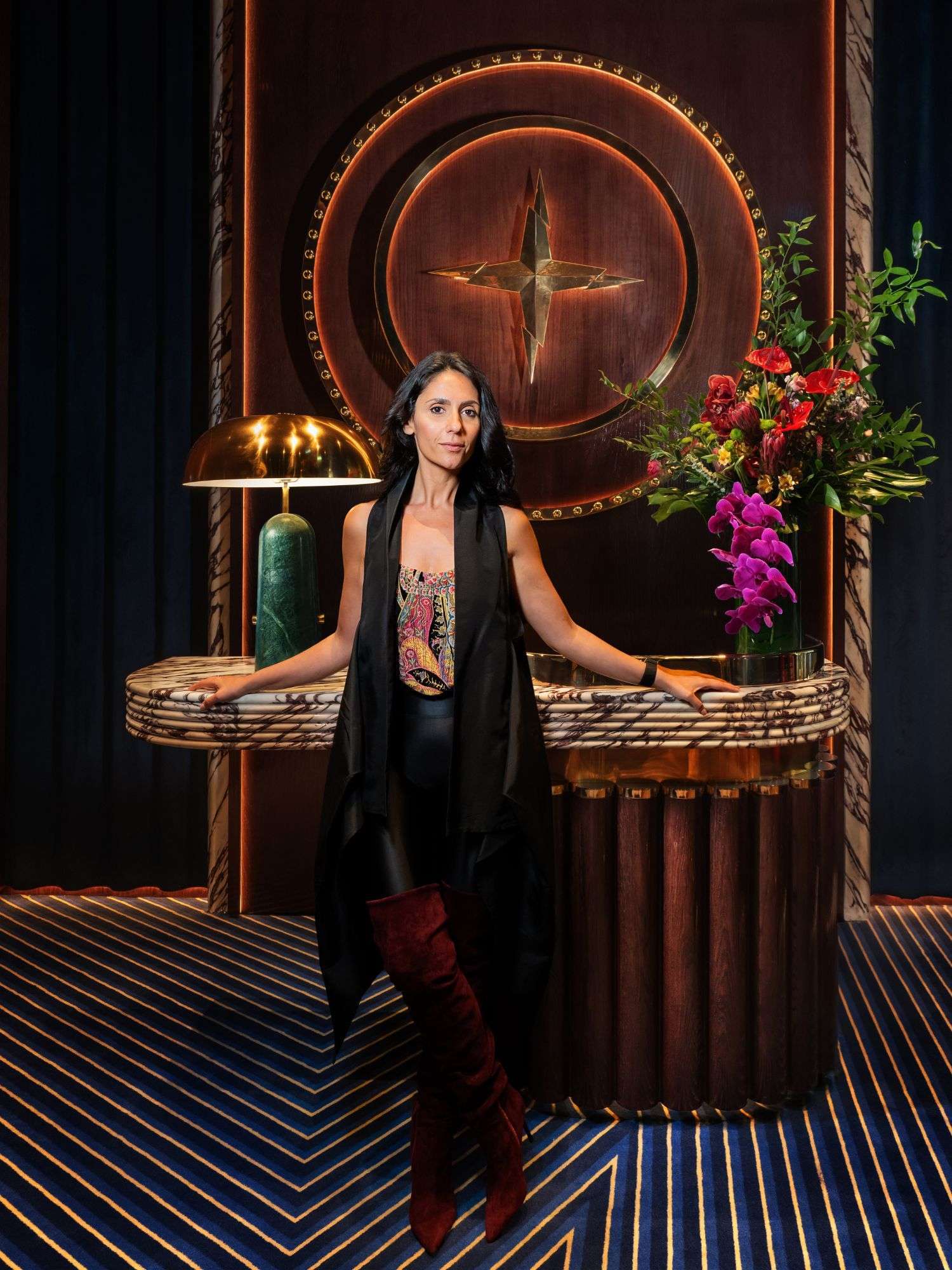
When you walk into Isabel Mayfair Abu Dhabi, the opulence instantly reminds you of its London home. The theme is on point: warm gold accents and velvet seating deliver richness without overwhelm. In contrast, Dubai’s award-winning Khadak opts for an upscale yet cosy setting, welcoming diners into an atmosphere shaped by a slower rhythm. The two visual languages are worlds apart, making it all the more impressive that interior designer Mahsa Gholizadeh brought both distinct concepts to life.
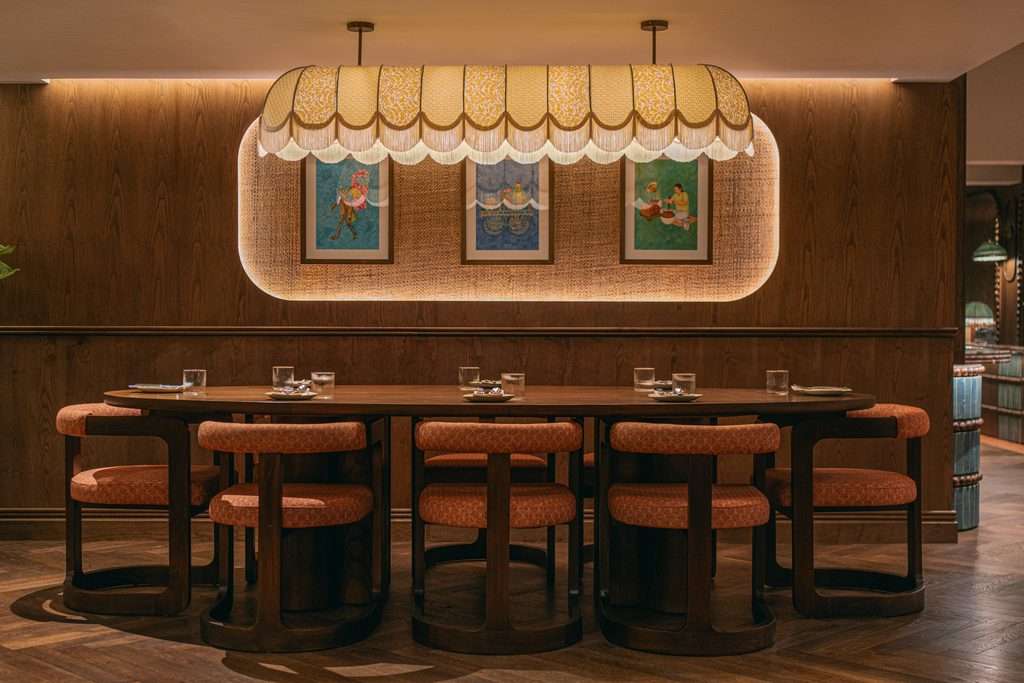
“We look at the identity of the brand, the location, the people who will experience it and, most importantly, how we want them to feel when they are there,” Gholizadeh tells MOJEH. “For Isabel Mayfair’s first international outpost, that narrative became the foundation of the entire design process.” Having helmed acclaimed spaces including Isabel Mayfair Abu Dhabi and London’s newly launched Yuzefi flagship, the DBM Studio founder continues to cement her position as a leading creative voice across the regional and international landscape.
The instinct for storytelling began long before her formal commissions. Growing up, Gholizadeh took to redesigning her family home through small DIY projects that let her explore her creativity without inhibitions. This early freedom, along with her time in the studio of Persian artist Ali Soltani, improved her ability to transform her thoughts into reality. “He helped me understand how emotions and ideas could be translated into art and design,” she explains.
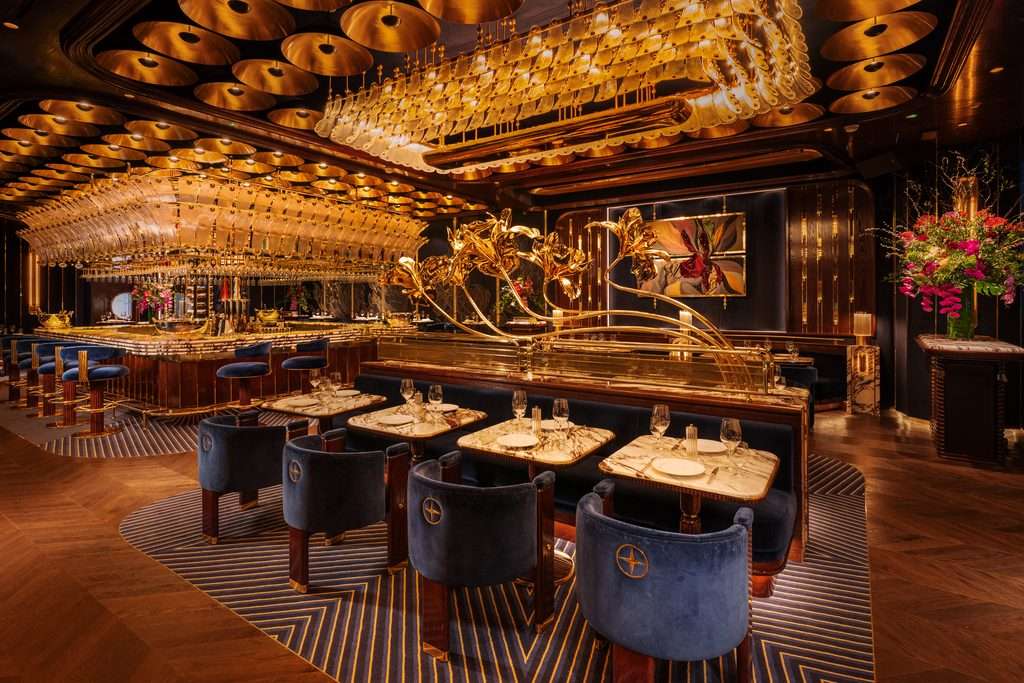
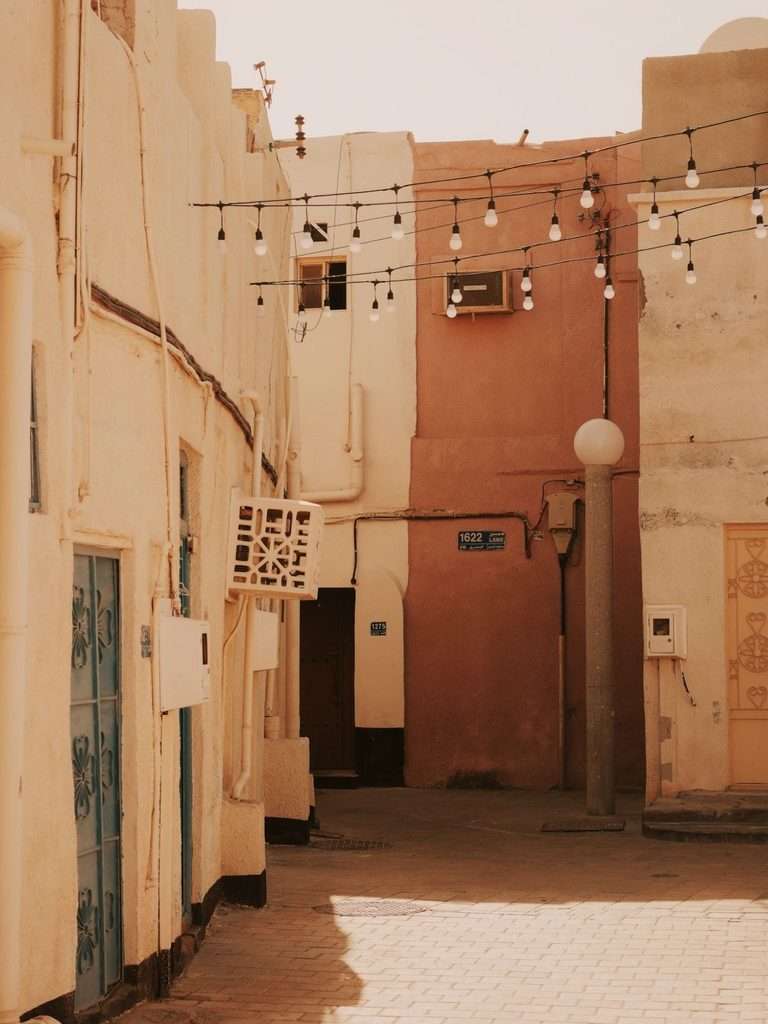
For Gholizadeh, this sensibility shapes how she navigates local context when introducing new dining concepts, relying on nuance rather than direct cultural replication. “The goal is for the connection to culture to feel authentic but not literal. I want someone to feel that the space belongs to its location without immediately being able to point to a decorative motif and say, ‘This is local.’”
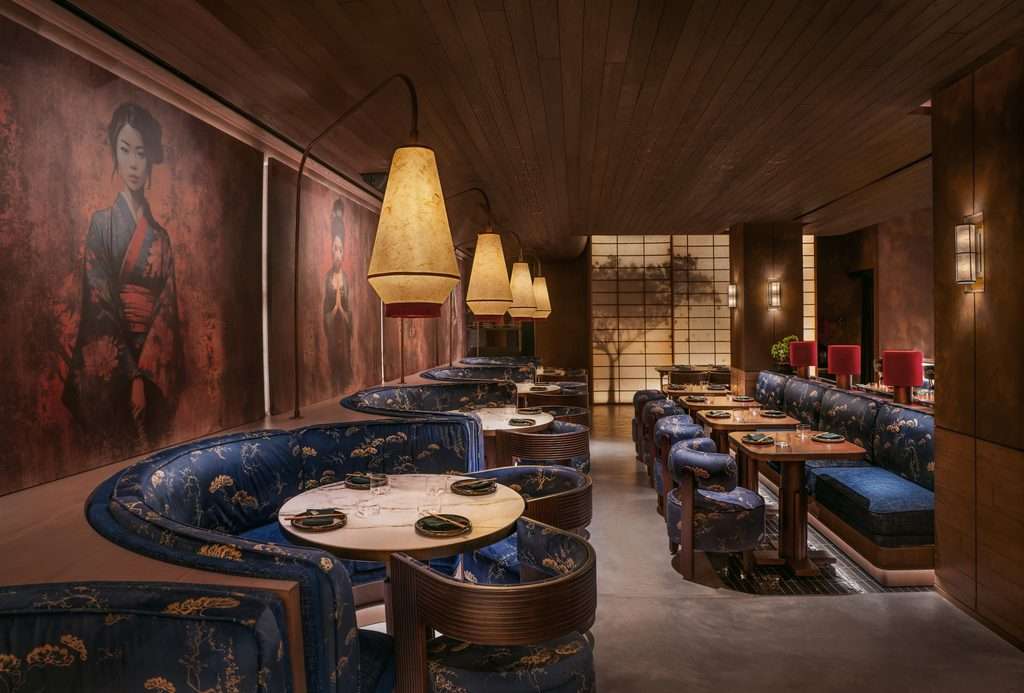
This ethos plays out in deliberate details: Hindi lettering adorning the walls at Khadak, or Japanese-inspired screens and murals grounding Kiyoshi within its Dubai Creek Harbour setting. Yet for the designer, atmosphere means little if functionality fails. “In high-turnover hospitality projects like Khadak or Kiyoshi, we spend a lot of time understanding how the restaurant actually operates, from the movement of staff and food to seating efficiency, visibility and the rhythm of arrival and departure,” she notes, stressing that theatrical design must always rest on operational flow.
Moving beyond the framing of a ‘female designer’ as a novelty label, Gholizadeh prioritises DBM Studio’s creative execution. “I think women often bring a very strong sense of empathy, intuition and human understanding to design, and those qualities are being valued more than ever,” she adds.
As the regional hospitality landscape gears up for its post-summer wave of launches, the designer remains focused on creating spaces that outlast the initial opening cycle. “A space can create excitement when it first opens, but if the design is built around what is fashionable at that moment, that excitement can disappear very quickly,” the Iranian designer explains. “The most enduring hospitality spaces usually have a clear story, a strong sense of place and a level of detail that reveals itself over time. People may come once because of the buzz, but they come back because of how the space makes them feel.”