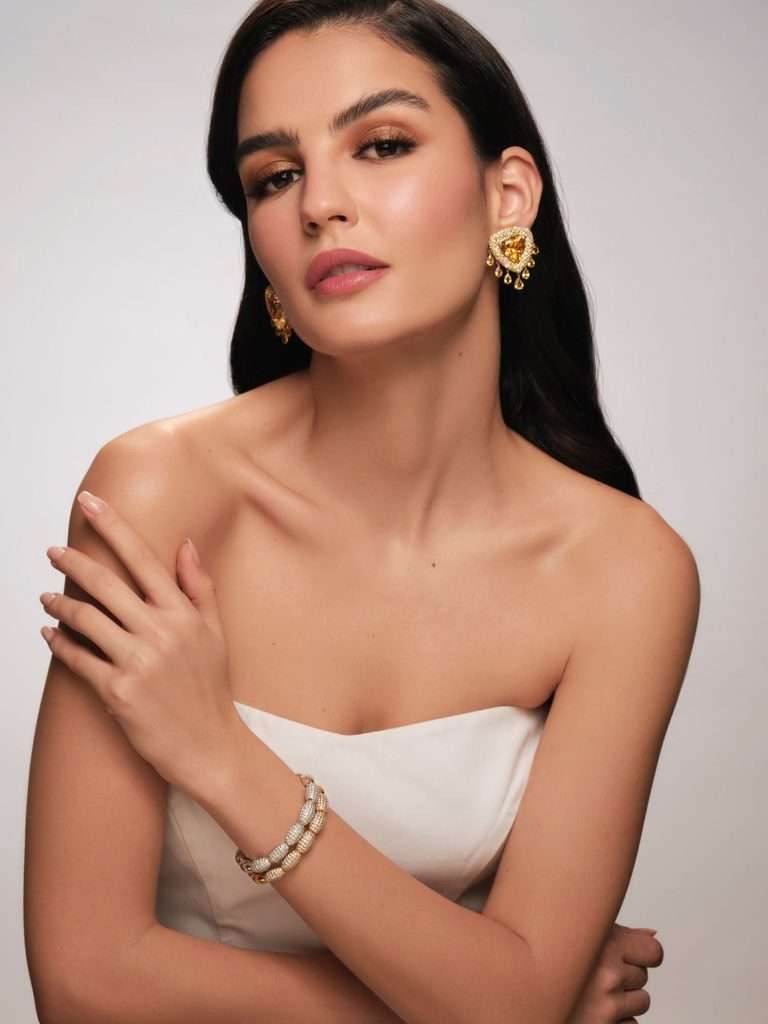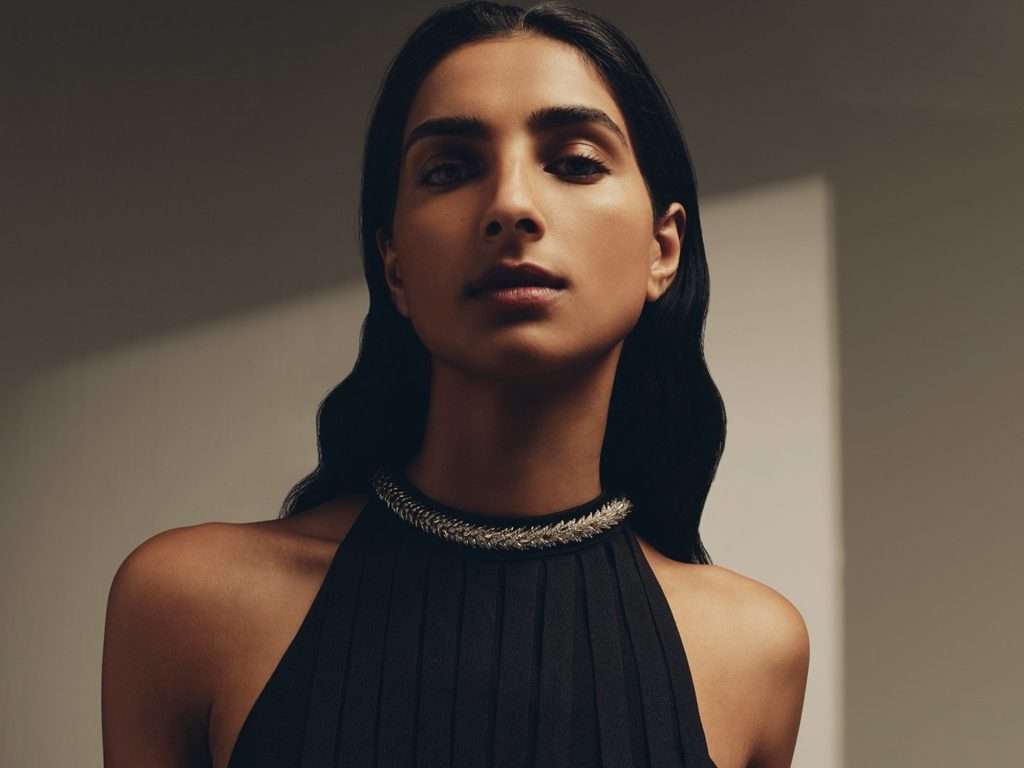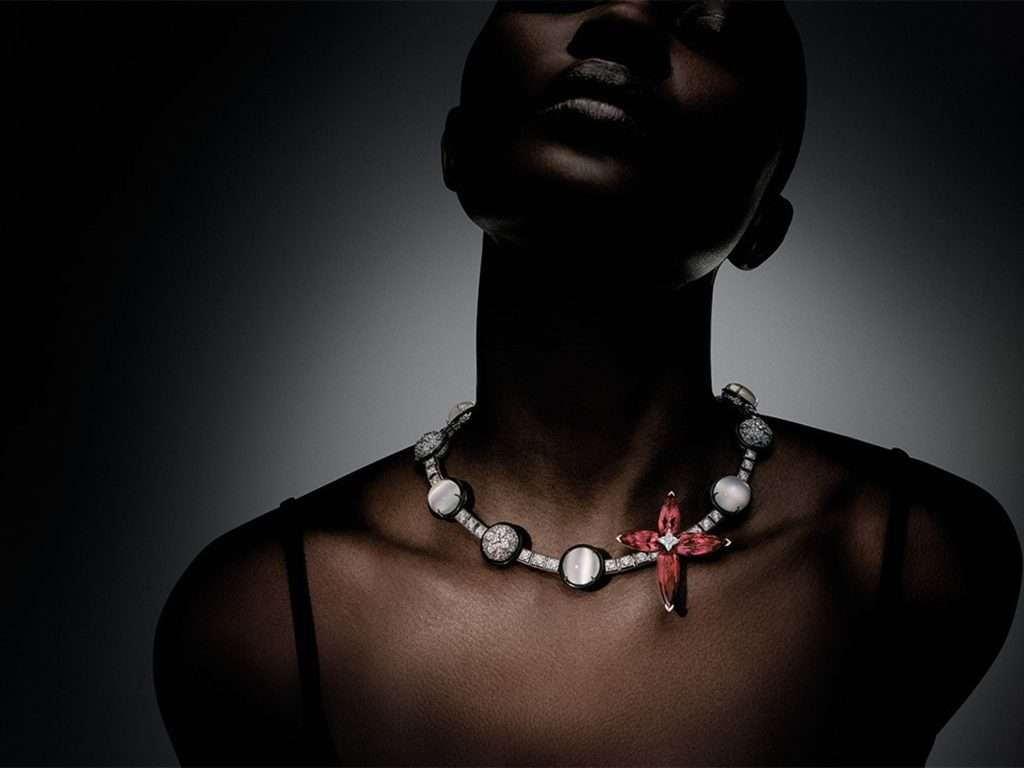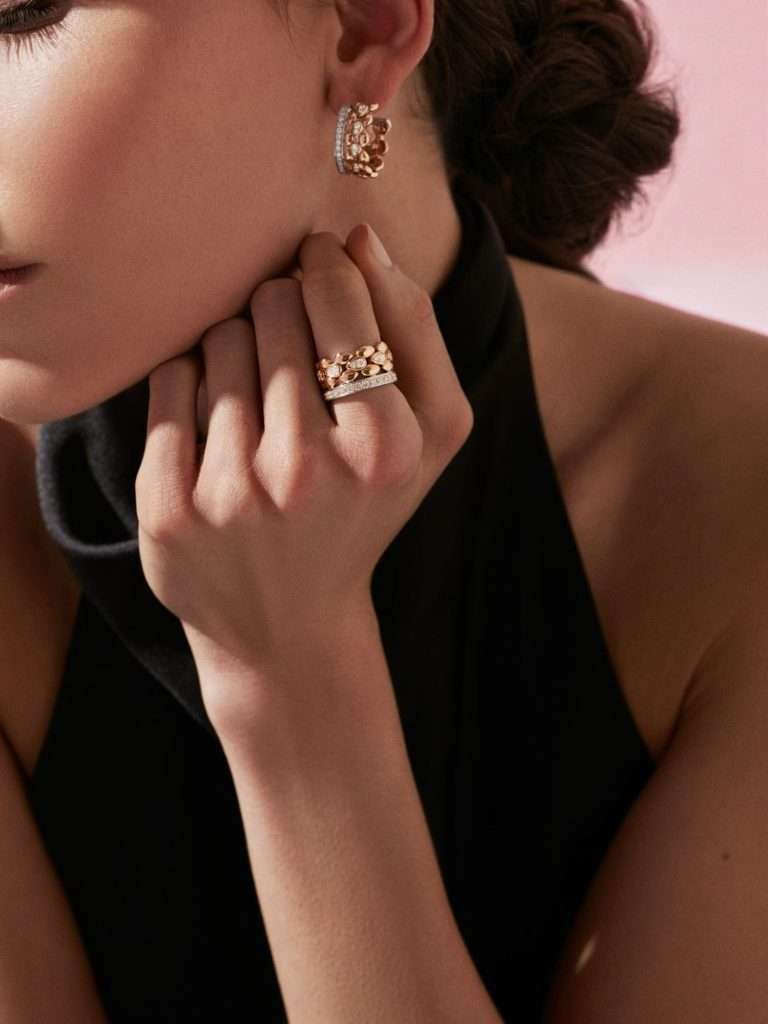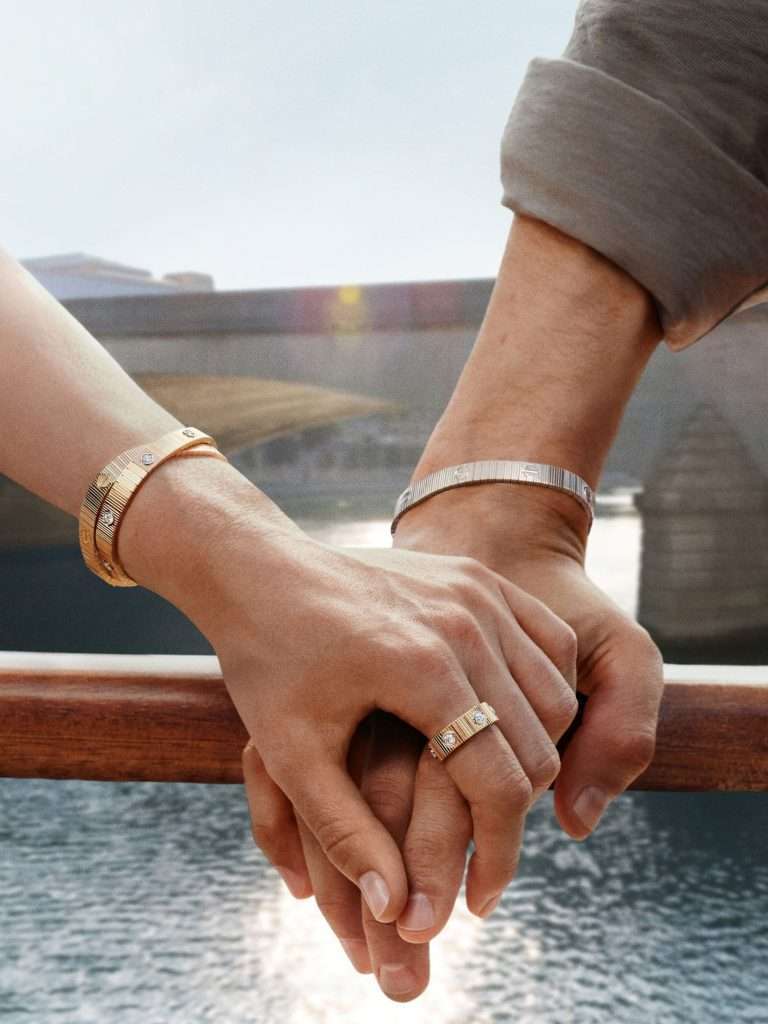
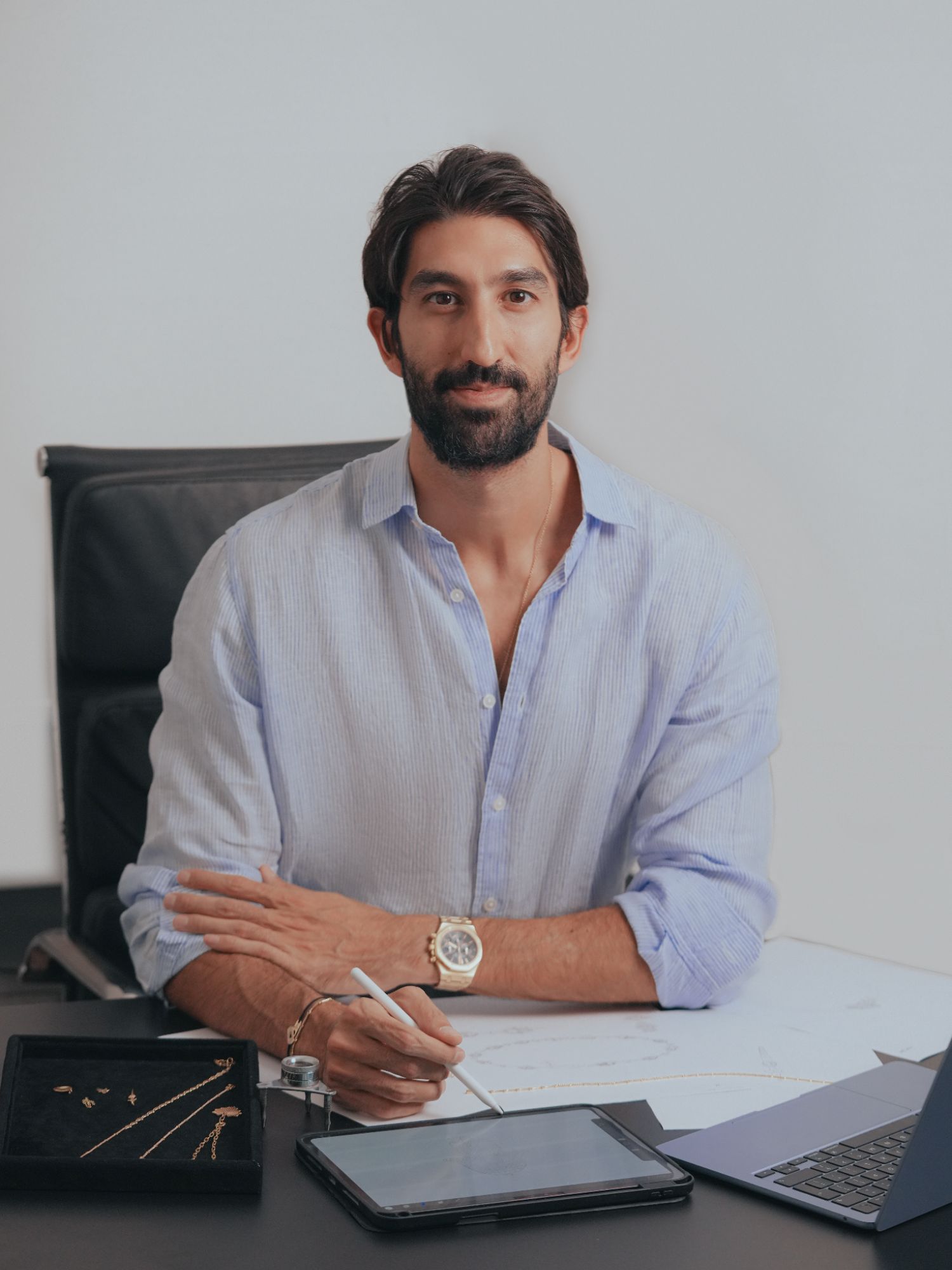
Jewellery should complement your lifestyle, not complicate it. Though it can be chosen to make a statement or for reasons more sentimental, the perfect piece is comfortable, versatile and designed to be lived in. For Kasra Erfani, wearability is at the core of the collections he creates at Kline, his Dubai-based fine-jewellery brand. Kline’s pieces are intended to be integrated into everyday life, whether that looks like tennis matches and evenings out or days in the office. The brand was born from Erfani’s personal need for jewellery that could keep up with, rather than interrupt, his active lifestyle.
Here, the designer speaks to MOJEH about practicality, personal inspirations and purpose-driven design.
MOJEH: What was the first piece of jewellery that meant something to you?
Kasra Erfani: A dagger pendant with three-dimensional details—the first piece I designed for myself. At that point, I was simply making something I wanted to wear. I still wear it today, and it continues to draw attention. People asking about it, and then wanting pieces of their own, encouraged me to take designing further. That’s why it means so much to me. It represents the beginning of something that grew quite naturally, before I had a clear idea of what Kline would become.
You were born in the Middle East and raised in North America. How did those two places shape your relationship with jewellery?
My Middle Eastern background shaped my appreciation for gold and the meaning people attach to jewellery. It can be a gift, a memory or something you keep for years. Growing up in North America influenced the way I wanted to wear it, which was much more relaxed and casual.
Both are present in Kline. I care about using precious materials and creating pieces worth keeping, but I also want someone to feel comfortable wearing them with a T-shirt. My own lifestyle is active, so the idea of keeping jewellery aside for special occasions never really suited me.
Which Kline piece feels most personal to you, and what’s the story behind it?
The Hinge Line feels very personal because it comes from my own active lifestyle. Movement was the starting point—both in the design itself and in the way I wanted the jewellery to fit into someone’s day.
I enjoy tennis, running and training, so comfort and freedom of movement matter to me. That makes me think carefully about how a piece sits on the body and how it feels as you move. With the Hinge Line, I wanted that idea to be part of the collection’s character. It expresses something central to Kline: jewellery you can live in and enjoy regularly.
Can you trace one of your designs back to a particular place or experience?
The palm tree charms are closely connected to Dubai and the UAE. I’ve grown to love living here, and palm trees are such a recognisable part of my surroundings. They’re something I see in everyday life that has become meaningful to me through my connection to the place.
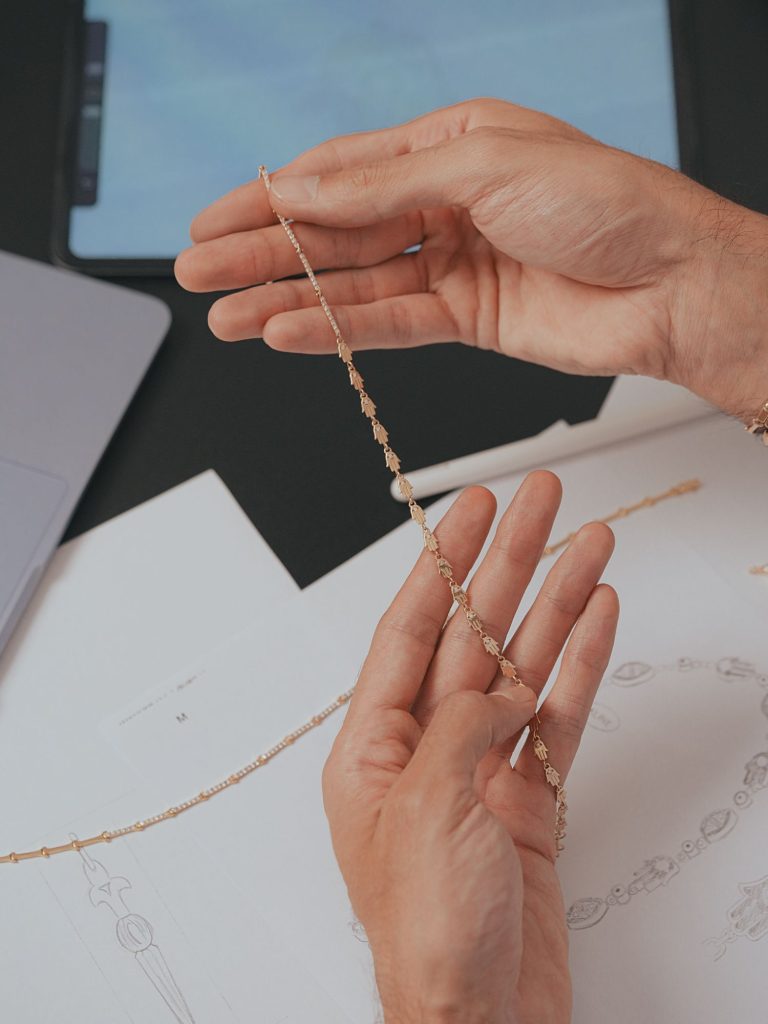
I’ve enjoyed exploring that same shape in different forms, including diamond pavé, enamel and gold. Each version gives it a different feeling. That’s often how inspiration works for me: I notice something, feel a connection to it, and start thinking about how I would want to wear it.
What detail in your jewellery might someone overlook, but matters enormously to you?
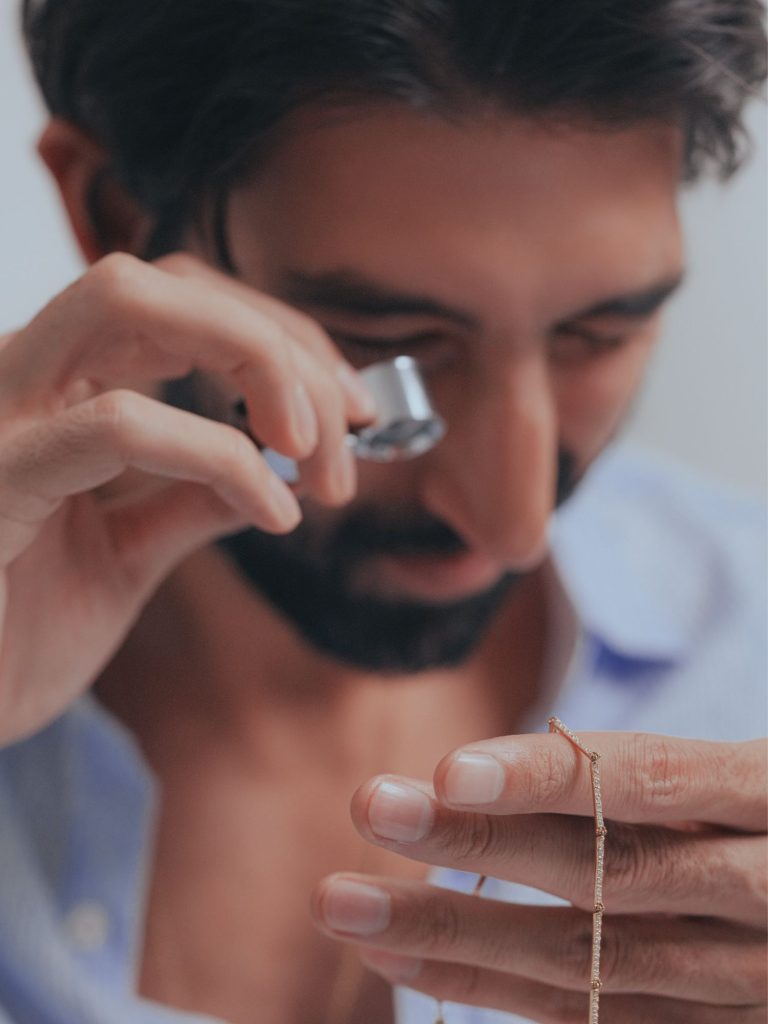
How a piece feels when you put it on. You can appreciate the design in a photograph, but the weight, fit and movement only become clear when you wear it. A bracelet can look beautiful, but if it’s uncomfortable, you won’t keep reaching for it.
I care about getting those details right because I want the jewellery to become part of someone’s routine. That means thinking about the chain as well as the pendant, or how a bracelet sits against the wrist. Those decisions might not be the first thing someone notices, but they make a real difference over a full day of wearing it.
When a piece is comfortable and feels like your style, wearing it becomes a habit. You may have bought it for one occasion, but then you wear it through so many other moments that it takes on new meaning. I think that combination of everyday wear and personal attachment is what makes someone keep a piece for years.
When you design a piece, do you imagine it on a man or a woman, or does that distinction come later?
Often, my first thought is whether I would want to wear it myself. That’s how I started designing, so it’s still a natural starting point. Then I think about how someone else might wear it and what they would bring to it.
I don’t want that first idea to limit who the piece is for. The same necklace can feel quite different depending on its length, what it’s layered with and the person wearing it. I like leaving room for those choices. Seeing someone wear a piece in a way I hadn’t imagined is part of what makes designing interesting to me.
What have you learnt from your clients in the Gulf that has surprised you or influenced your designs?
Working with clients here has shown me how much small personal choices matter. We’ve had requests around necklace lengths and changes to bracelet chains, and those conversations make you realise how specific someone’s relationship with a piece can be.
As a designer, you have an idea of the finished piece, but the client knows how they want to wear it. I’ve learnt to leave room for that. Sometimes a small adjustment makes it fit much more naturally into their wardrobe or feel more comfortable on them. That feedback helps me think beyond the initial design and pay closer attention to the experience of wearing it.
What are you exploring in your next collection that you haven’t tried before?
We’re exploring more possibilities with lab-grown diamonds. Their accessibility gives us more room to experiment with how diamonds can be used in a design and to bring those pieces to a wider audience. I’m interested in what that allows us to create while keeping the jewellery wearable.
We’re also developing mixed chains, combining different link shapes and textures within one necklace. I like the variation that creates, but I still want the overall piece to feel delicate. A lot of the work is in getting the proportions right and making sure the chain and pendant feel considered together. Explore Kline’s collections here