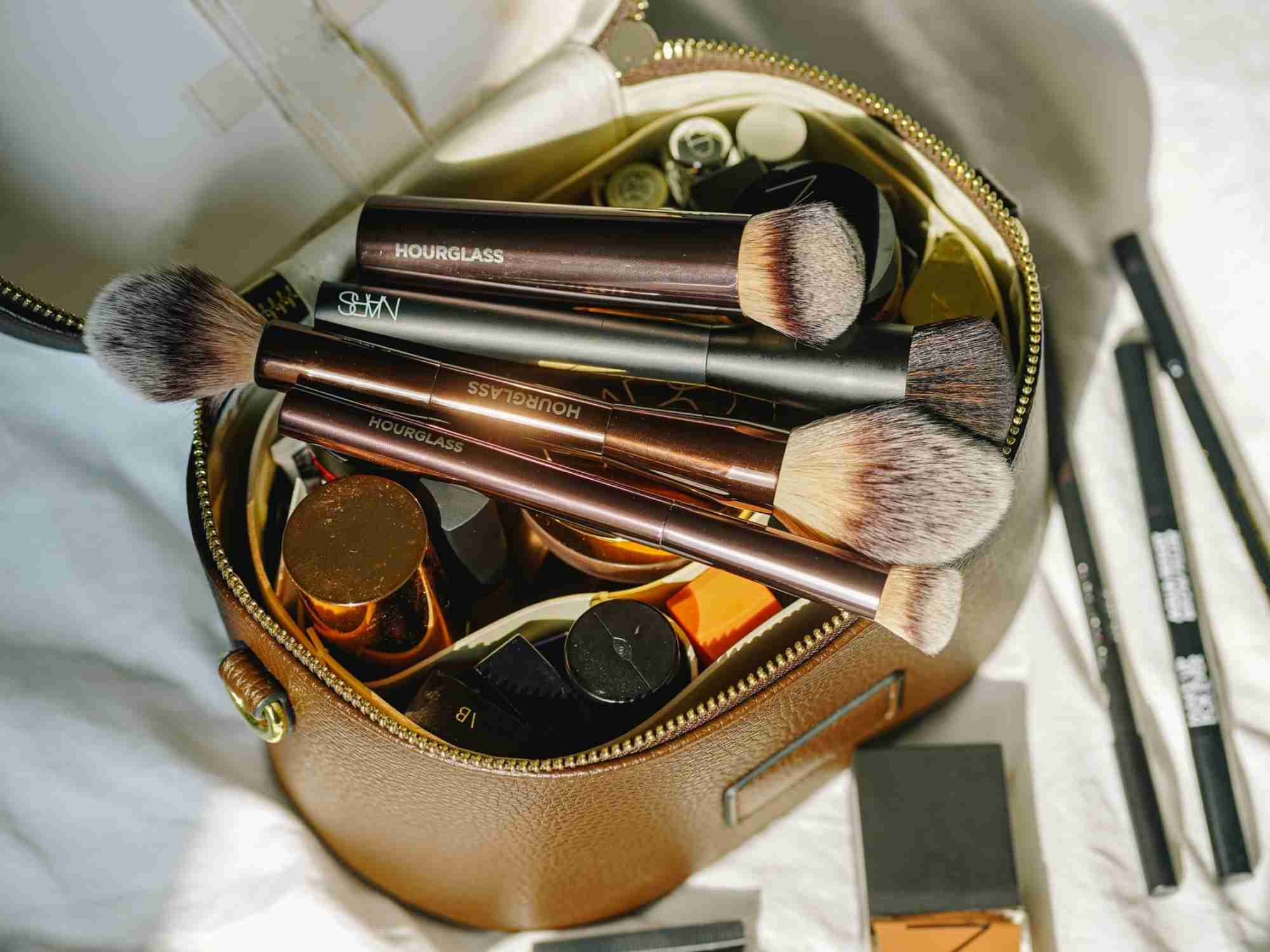
A hand-shaped goat-hair powder brush can give years of soft, even diffusion, or lose its shape in a single careless wash. Knowing how to clean luxury makeup brushes comes down to three rules: lukewarm water with a mild, fragrance-free soap; no water inside the ferrule, the metal collar where the hair is glued; and drying flat or head-down, away from heat. Everything else, from how often to wash to which fibres need the lightest hand, builds on those three. Below is the full method, set out by fibre and by brush, so every tool in your kit stays hygienic and keeps the softness it was made with.
Why Makeup Brush Hygiene Matters for Skin and Brush Performance
Dirty brushes press oil, dead skin and bacteria back onto the face, and the same build-up stiffens the fibres until they streak instead of blend.
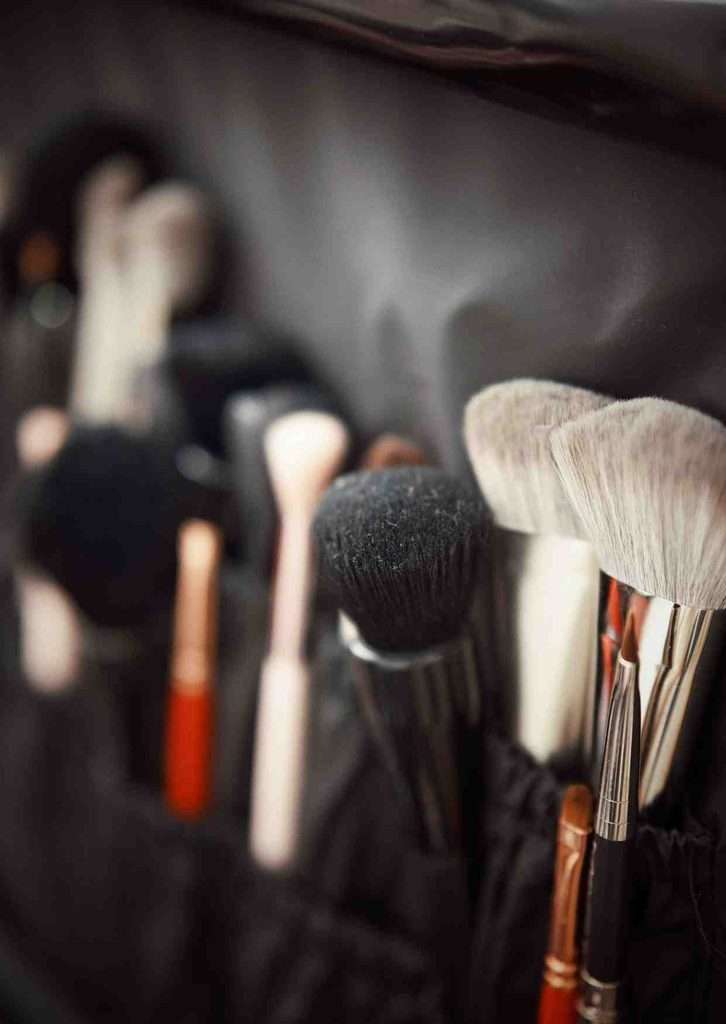
The American Academy of Dermatology warns that unwashed makeup brushes can trigger acne breakouts and rashes, and can harbour the organisms behind fungal, E. coli and staph infections. It recommends washing brushes every 7 to 10 days and never sharing them. For anyone already following acne solutions for adult skin, a clean brush is one of the simplest variables to control.
Performance suffers too. Residue collects first at the base of the brush head, just above the ferrule, where it hardens and pushes the hairs outwards. A foundation brush that once laid down a sheer, even film starts to drag, and an eyeshadow brush carries a ghost of yesterday’s colour into today’s look.
Longevity is the third reason. Hakuhodo, the Japanese brush maker based in Kumano, Hiroshima, puts the normal working life of a makeup brush at three to five years, depending on the hair and how often it is used. The craftsmanship that separates luxury makeup brushes from mass-made tools, hand-sorted hair with its natural tips intact, is exactly what rough cleaning destroys first.
How Often to Clean Makeup Brushes by Brush Type
Wash brushes used with liquids and creams once a week and powder brushes every two to four weeks, with a quick dry clean after every use in between.
The dermatologist baseline of 7 to 10 days is a sensible default, but brushes do not soil at the same rate. Liquid and cream formulas mix with skin oil inside the brush head and stay damp, which is the environment bacteria favour. Powder brushes stay drier and cleaner for longer, including the fluffy brush that finishes a base alongside setting sprays and powders.
Hakuhodo’s own guidance is to tap out and wipe powder brushes after each use, and to wash them only when the bristles start to smell or hold visible beads of makeup. That habit, more than any cleanser, decides how often a fine brush needs water at all. Use the schedule below as a starting point and adjust it to how often you wear makeup.
| Brush | Products | Deep clean | Between washes |
|---|---|---|---|
| Foundation, concealer, cream blush | Liquids and creams | Weekly | Wipe on a tissue after use |
| Powder, blush, bronzer | Pressed and loose powders | Every two to four weeks | Tap out, then wipe |
| Eyeshadow and crease | Powder and cream shadows | Every one to two weeks | Wipe between shades |
| Lip and gel liner | Lipstick, gel liner | After each use | Not applicable |
| Squirrel-hair finishing | Loose and pressed powder | Only when soiled | Tap out, microfibre wipe |
The pattern is simple: the wetter the product, the more often the wash.
What to Use to Clean Makeup Brushes
A mild, fragrance-free soap or a gentle brush shampoo with lukewarm water is all a fine brush requires. Alcohol solvents, fabric softener and hair conditioner are best avoided, as they do more harm than good.
Hakuhodo recommends fragrance-free soap for washing and cautions against cleansers containing alcohol solvents, except when rapid drying is required, as these solvents damage both natural and synthetic hair, leading to shedding. Always use lukewarm water, as hot water softens the adhesive inside the ferrule.
This is where many guides go astray. Conditioner is often suggested to maintain the softness of natural hair, yet Hakuhodo advises that hair conditioner or fabric softener can diminish a brush’s capacity to hold powder. It coats the minute scales along each hair that cling to pigment, making the brush feel smoother yet perform less effectively. For how to clean makeup brushes at home, keep your kit concise:
- An unscented soap bar or a gentle, fragrance-free brush shampoo is ideal.
- A clean, textured silicone mat for dense synthetic brushes, or simply the palm of your hand for natural hair.
- Two clean towels: one for absorbing excess moisture and another for laying brushes out to dry.
- Mesh brush guards for fluffy powder brushes help maintain the shape of the head as it dries.
Exclude oils used as standalone cleansers, harsh degreasers for natural hair, and any spray you would hesitate to apply to your skin.
How to Wash Makeup Brushes Step by Step
Wet only the bristles, create a gentle lather in one direction, rinse until the water runs clear, then press out moisture and reshape the head.
The best way to clean makeup brushes is the most gentle method, always keeping the brush head angled downwards throughout. Gravity prevents water from entering the ferrule, which is where many brushes deteriorate. The following approach suits most brushes, with fibre-specific adjustments detailed later.
- Tap out loose powder and remove surface product on a tissue, ensuring the wash addresses only what remains.
- Wet the bristles under lukewarm running water, without allowing water to reach the ferrule. The American Academy of Dermatology recommends rinsing only the tips, as submerging the entire head will gradually dissolve the glue.
- Work a small amount of soap into the hair by stroking it across your palm in a single direction. For denser brushes, Hakuhodo suggests gently squeezing the bristles from the ferrule outwards to release trapped product.
- Rinse with the brush head still angled downwards until the water runs completely clear. Repeat the lather if colour continues to bleed out.
- For natural hair, use a fine comb to gently work through from the tip towards the ferrule, progressing gradually and never combing from the root.
- Press out excess water using a clean towel, then reshape the head to its original silhouette with your fingertips.
It takes approximately a minute per brush, and most will regain their original shape and performance once dry.
How to Dry Makeup Brushes So They Keep Their Shape
Dry makeup brushes flat on a towel with the head suspended over the edge, or head-down on a drying rack, always at room temperature and never upright.
Drying brushes upright is the most common way quality brushes are damaged. Water seeps into the ferrule, softening the glue that secures the hair and causing the wooden handle beneath to swell, eventually lifting the lacquer and causing the head to loosen or shed.
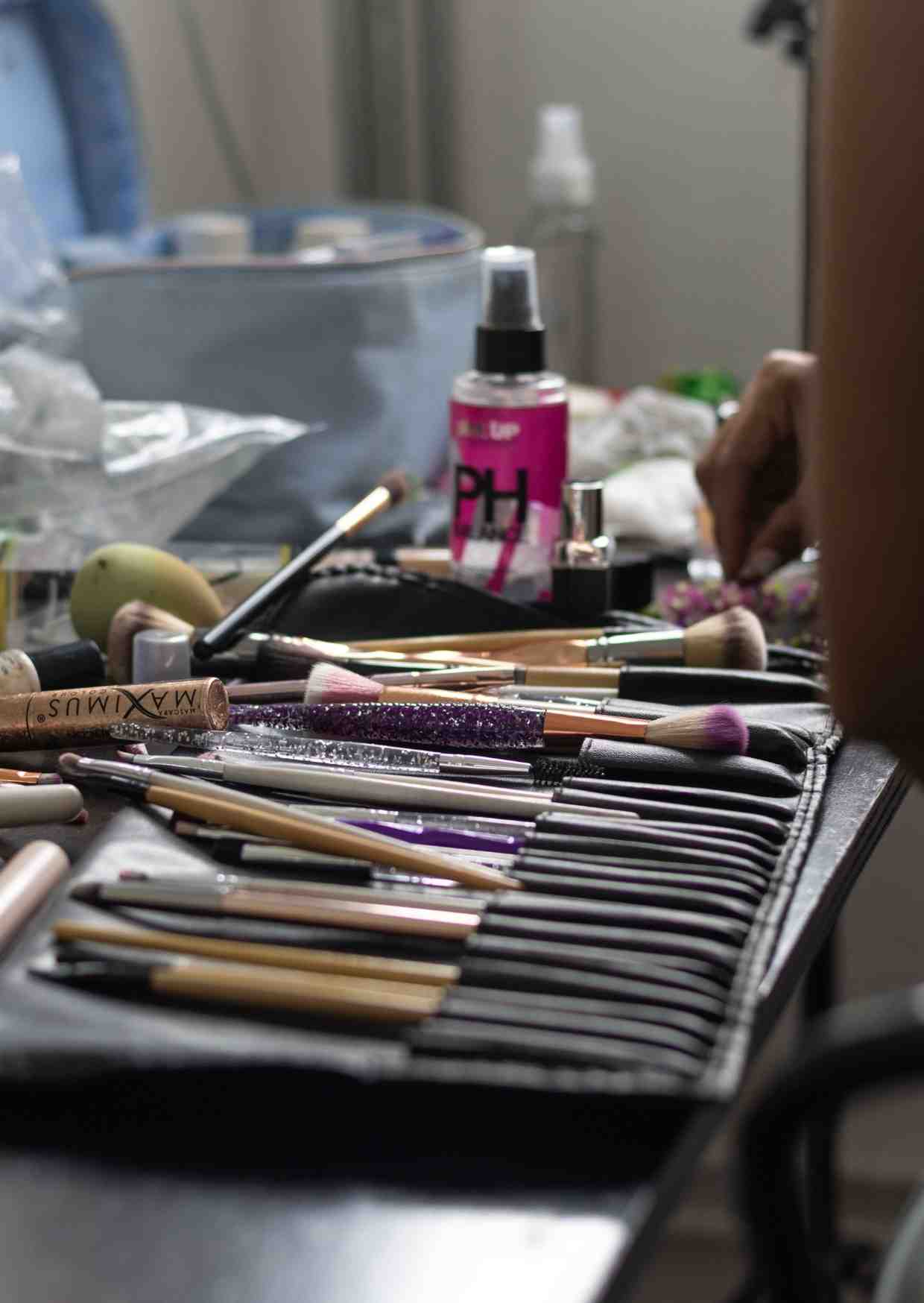
Heat poses a further risk. Hakuhodo advises against drying brushes in direct sunlight or with a hairdryer, as both can damage the hair: natural fibres become brittle while synthetic filaments may kink. Allow brushes to dry naturally, away from radiators and heated towel rails.
Be patient. Small eye brushes typically dry within a few hours, while dense foundation and kabuki brushes may require overnight or longer. Before storing a brush, press the base of the head; if it feels cool or damp, leave it to dry further, as damp hair quickly develops a musty odour.
Spot Cleaning Versus Deep Cleaning Makeup Brushes
Spot cleaning removes surface product between washes, while a deep clean with soap and water removes the oil and bacteria that spot cleaning leaves behind.
Think of spot cleaning as a lint roller and deep cleaning as the laundry. The first keeps a brush presentable day to day; only the second actually cleans it.
For powder brushes, spot cleaning means tapping the hair against a slightly curled palm, then sweeping it across a soft tissue or microfibre cloth. Hakuhodo notes that doing this after every use means a brush will not need frequent washing, which matters most for delicate hair. Quick-dry brush sprays are handy for switching colours or cleaning on the move, but most rely on alcohol to evaporate fast, so treat them as an occasional tool on natural hair. A deep clean is due when:
- A liquid or cream brush has been in use for a week.
- The bristles smell, even faintly.
- Colour still transfers after wiping on a tissue.
- The head feels stiff or clumped at the base.
If any one of those applies, no spray will fix it.
How to Clean Natural Hair Makeup Brushes
Natural hair brushes need the gentlest routine in your kit: mild soap, minimal water, no conditioner and fewer washes than synthetics.
Natural hair is covered in a cuticle of overlapping scales that picks up powder and releases it evenly, and the finest brushes keep each hair’s natural tapered tip rather than trimming it. Japanese makers in Kumano, Hiroshima, including Hakuhodo and Chikuhodo, shape their brush heads by hand around those uncut tips. That is where the softness comes from, and where rough washing does its damage first.
The rule for all natural makeup brushes is to wash less and dry-clean more. Follow the step-by-step method above, stroke rather than scrub, and never rub natural hair against a textured mat.
Cleaning Squirrel Hair Makeup Brushes
Blue squirrel and similar fine hairs are the most fragile fibres used in makeup brushes and are best kept for powder. Rely on tapping and a microfibre wipe after every use, and wash only when the brush is visibly soiled or starts to smell, which for many owners means a few times a year. When you do wash, use very little soap, rinse briefly and dry the head in a mesh guard so it does not frizz outwards.
Cleaning Goat Hair Makeup Brushes
Goat hair, including the prized Saikoho and Sokoho grades, is far hardier and forms the backbone of most luxury powder, blush and bronzer brushes. It tolerates a wash every two to four weeks with a gentle soap lather worked in the palm. Expect the head to look fluffier after its first few washes, which is normal and settles with use.
Cleaning Dyed Natural Hair Brushes
Hakuhodo warns that dyed hair may discolour when washed and advises against soaking. Rinse quickly, keep contact with water brief, and do not dry dyed brushes touching pale ones, since the first washes can release a little colour.
How to Clean Synthetic Makeup Brushes
Synthetic brushes can be washed more often and with firmer cleansers because their fibres have no cuticle to strip, but the ferrule and glue are just as vulnerable as on natural brushes.
Modern synthetic fibres, most often PBT (polybutylene terephthalate) or nylon, are smooth filaments that do not absorb liquid the way natural hair does. That is why they suit liquid foundation, cream blush and concealer, and why they rinse clean faster.
Use a textured silicone mat for dense synthetic heads, working in small circles to release product from the centre of the brush. Hakuhodo’s warning about alcohol solvents applies to synthetic filaments too, so keep quick-dry sprays occasional, and avoid hot water and hairdryers, which can bend the fibres out of alignment.
If you apply liquid foundation daily, choose a synthetic brush for the job. A weekly deep clean is far kinder to a filament built to tolerate water than to fine natural hair.
How to Clean Foundation Brushes and Cream Product Brushes
Foundation brushes require a deep clean every week, often with two rounds of lather, as long-wear formulas cling to the base of the brush head where a single rinse will not suffice.
Long-wear foundations contain silicones such as dimethicone and film-forming polymers designed to resist water. The same qualities that make long-lasting makeup for hot climates hold through a humid afternoon make it cling to synthetic filaments.
For synthetic brushes, work a few drops of oil-based makeup remover into the head before washing to loosen stubborn product. Always follow with two separate soap lathers to ensure no oil remains, as any residue will make the next application slip. Never use this oil pre-cleanse on natural hair.
Concealer brushes require the same method. As they are compact and densely packed, pinch the head between your thumb and forefinger under running water to flush out product; precise application depends on a tip that retains its shape. Wipe lip brushes after each use and wash them regularly, as lipstick pigment accumulates quickly.
How to Clean Eyeshadow Brushes and Fine Detail Brushes
Clean eyeshadow brushes every one to two weeks, and always wipe them between shades to keep colours true and residue away from the eye area.
Eye brushes transfer pigment and skin oil to one of the most delicate areas of the face, so they require a more frequent cleaning schedule than face powder brushes. Between shades, sweep the brush across a dry tissue until no colour remains. This simple habit prevents a bronze crease shade from muddying a cool taupe on the lid.
Smaller brush heads require a gentler approach. Lather in your palm with a single fingertip rather than on a mat, rinse briefly, then pinch the tip back into a point before drying. Gel liner brushes are the exception; clean them after every use, as gel liner dries hard within the bristles. Anyone creating Arabic eye makeup, with its layered shadows and sharp wing, will appreciate the difference a clean blending brush makes to each transition.
Makeup Brush Cleaning Mistakes That Shorten Brush Life
Most brushes are damaged by water entering the ferrule, exposure to heat, or excessive friction, rather than simply by age.
It is tempting to believe that vigorous scrubbing will make a brush cleaner. In truth, it frays the tips that give a soft finish and loosens hairs at the base. A textured mat can help with dense synthetic foundation brushes, but often does more harm than good to squirrel or goat hair. Avoid these habits:
- Soaking brushes in a glass of water, as this saturates the ferrule.
- Drying brushes upright in a cup.
- Using a hairdryer, radiator or sunny windowsill to accelerate drying.
- Adding conditioner or oil to natural hair.
- Packing brushes into a case or roll before they are fully dry.
- Washing several brushes at once in a sink full of soapy water.
Correct these six mistakes and a well-made brush has every chance of achieving its full working life as intended by its maker.
Storing and Replacing Luxury Makeup Brushes
Store brushes you use daily with the handle down in a clean cup, keep occasional brushes flat in their sleeves, and replace any brush that sheds persistently, loses its shape or ceases to hold product.
Makeup brush care continues after washing. Hakuhodo recommends storing everyday brushes handle-down in a glass and keeping those used less frequently flat in their original plastic sleeves. The brand also notes that leaving a brush unused for extended periods may damage the hair and cause shedding, so regular use is essential for maintaining a brush in good condition.
Replacement is a matter of performance rather than dates. Retire a brush if it continues to shed after washing, if the head no longer returns to shape after drying, if a smell persists after a proper wash, or if it stops picking up and releasing product evenly. A well-maintained brush from a reputable maker will typically last three to five years of regular use before reaching this stage.
The Quiet Ritual Behind a Flawless Finish
Cleaning a fine brush is a quiet ritual with a significant reward. Lukewarm water, mild soap, a gentle touch and patience during drying protect the hand-sorted hair and expert construction that make Clean Luxury Makeup Brushes worth owning.
Keep liquid brushes on a weekly cleaning schedule, allow powder brushes to rest between washes, and treat natural hair with the lightest touch. With this approach, the brush that blends your foundation today will continue to deliver colour cleanly for years to come.
Common Questions About Cleaning Makeup Brushes
Can you put makeup brushes in the washing machine or dishwasher?
No. Both machines submerge brushes, use heat and tumble them, which floods the ferrule, loosens the glue and frays the hair. Wash brushes by hand with the head angled down, then dry them flat or head-down at room temperature.
Is it safe to share makeup brushes?
Sharing brushes moves bacteria, oil and skin cells from one face to another, and the American Academy of Dermatology advises never sharing them. Professional makeup artists clean each brush between clients or use disposable applicators for exactly this reason.
Can you clean makeup brushes with vinegar?
Vinegar is unnecessary. A mild, fragrance-free soap in lukewarm water removes oil and pigment effectively, and brush makers such as Hakuhodo do not include vinegar in their care instructions. It also leaves a smell that natural hair holds on to.
Should you wash new makeup brushes before first use?
A gentle first wash is sensible for synthetic brushes and for any brush used near the eyes. For natural hair, tapping the brush and working out loose fibres is often enough, and a few stray hairs during the first uses are normal.