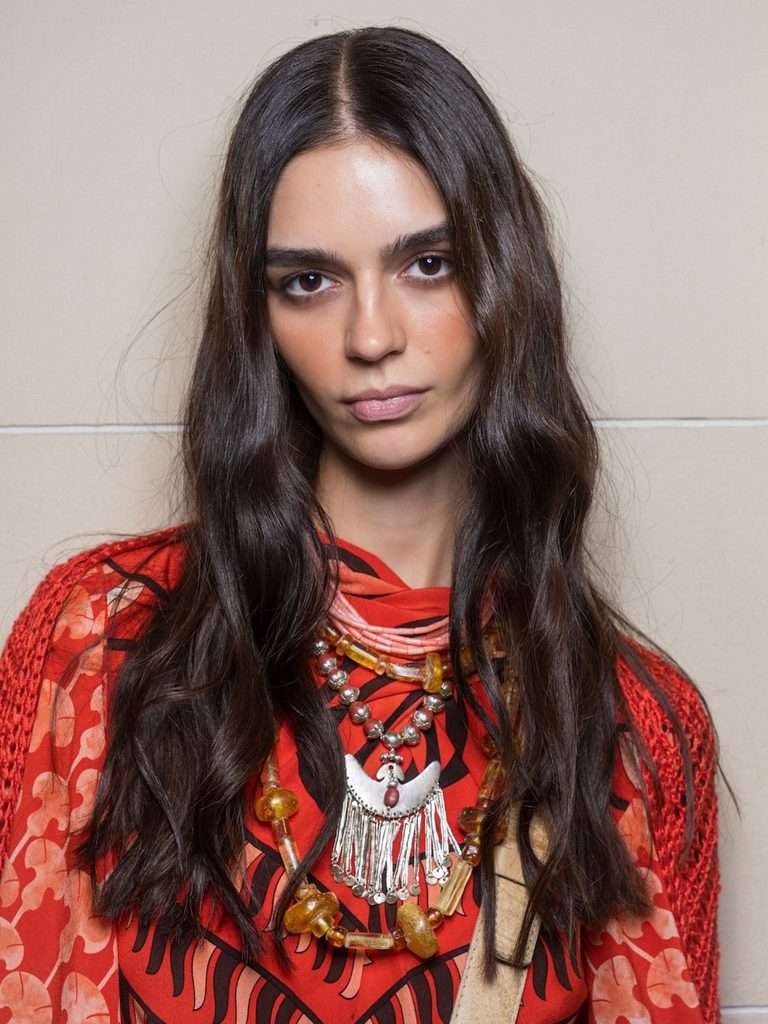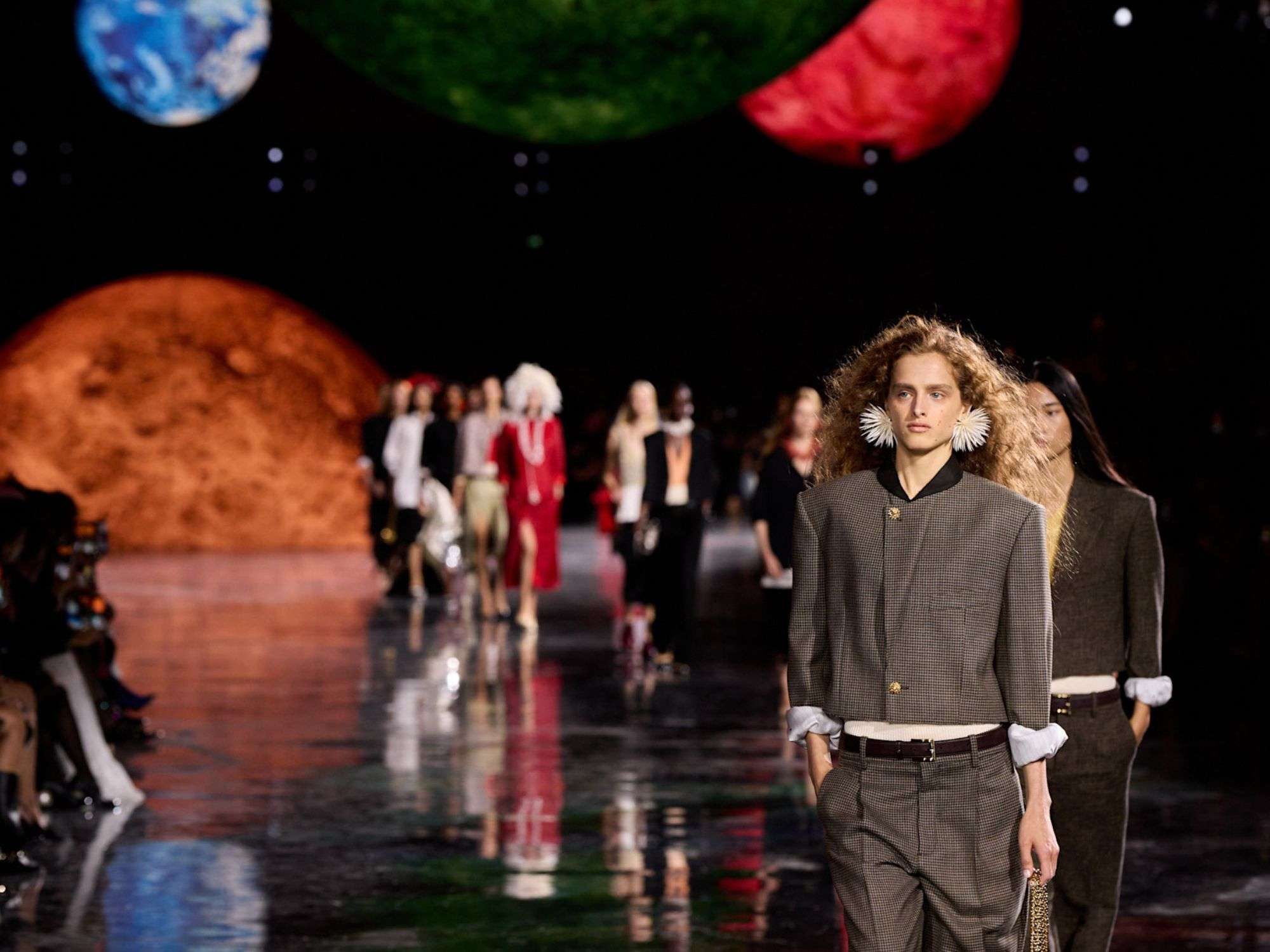
Paris Fashion Week always ends in a peculiar kind of delirium – a heady blend of exhaustion and exhilaration that only this city can conjure. After days of relentless beauty, the senses are saturated, and time begins to dissolve into a blur of silhouettes and light. Yet, when the final curtain rises, clarity returns. It is always Chanel. It is the closing word and the punctuation mark that turns a week of fashion into something resembling poetry.
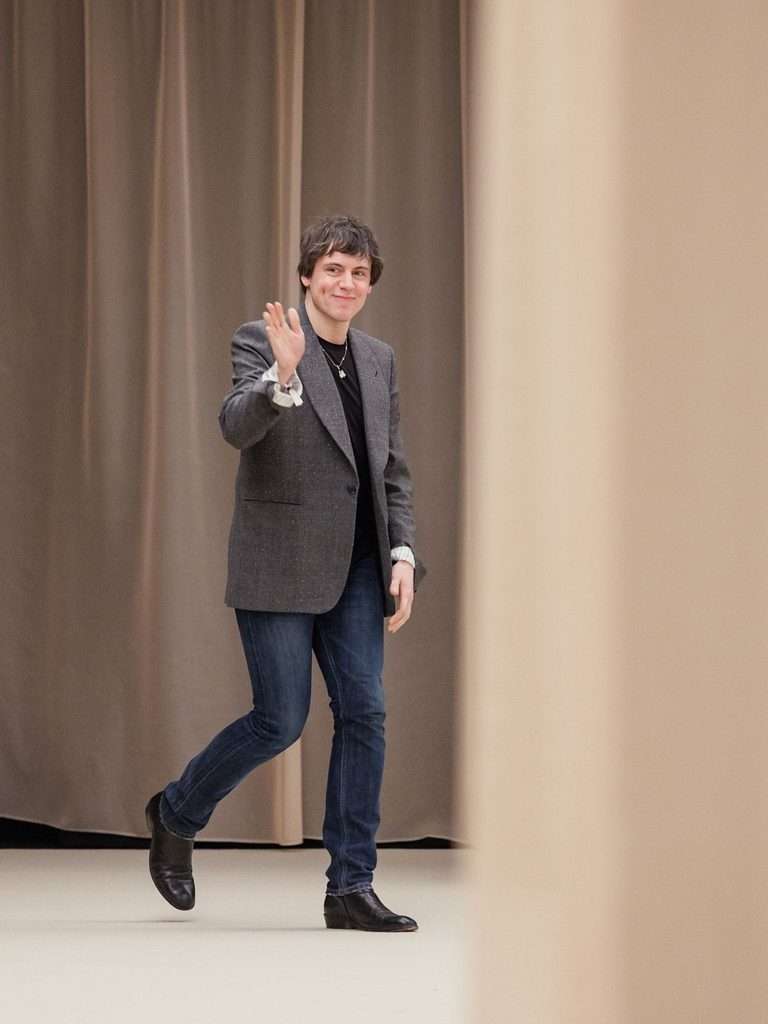
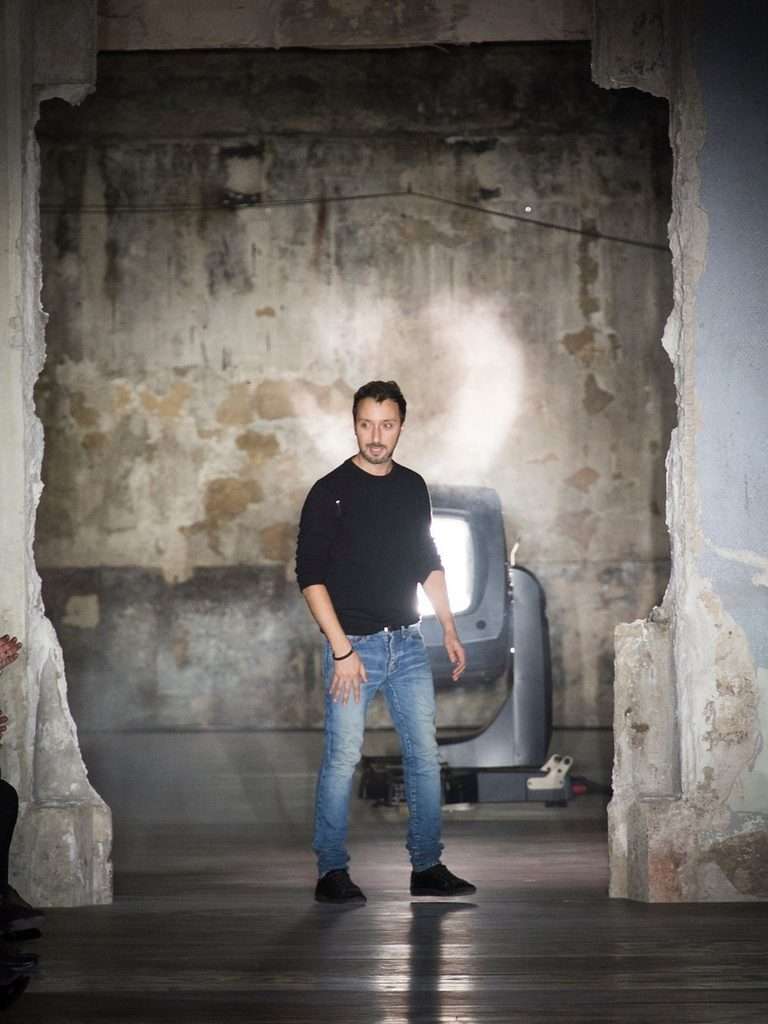
This season, that final word shimmered with new possibility. Matthieu Blazy, newly appointed as Chanel’s Artistic Director of Fashion Activities, unveiled his debut ready-to-wear collection, Une Conversation. It was not a proclamation, but an exchange: a meeting of past and present, between Gabrielle Chanel and the world that continues to orbit her spirit.
In his hands, garments did not mimic history; they engaged it. Tweeds, once rigid emblems of bourgeois order, became instruments of motion – pressed, unlined, and infused with agility. The masculine met the feminine not as opposition, but as interdependence. In this interplay, Blazy revived Chanel’s central paradox: discipline rendered sensual, pragmatism charged with eros. A white shirt and trousers, for instance, was lifted from the masculine wardrobe that once defined Coco Chanel’s earliest rebellions. The gesture was not nostalgic but dialectical, serving as an inquiry into how clothing mediates intimacy and liberation. The shirt, co-created with the historic house of Charvet, was weighted subtly with a chain at its hem in a quiet nod to Chanel’s codes.
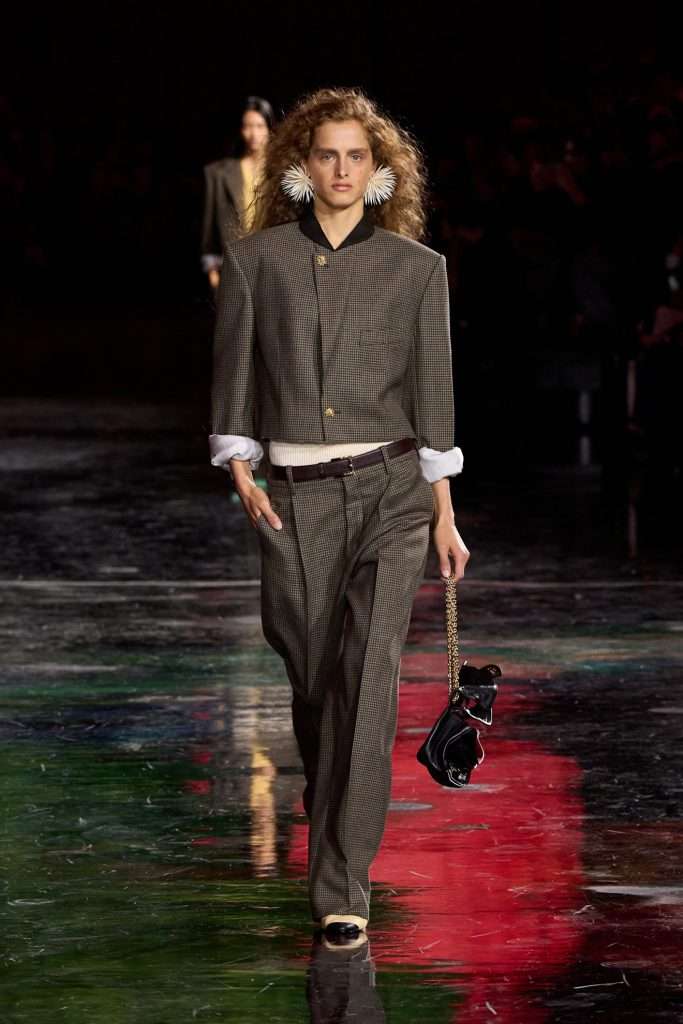
Daywear unfolded like a meditation on continuity. Iconic forms – the 2.55 bag, the boucle suit, the camellia – were stripped of perfection and reintroduced as living objects. The bag appeared gently crushed, its lining exposed as if revealing a secret; camellias frayed at the edges; tweeds seemed to carry the residue of a previous life. Nothing was untouched. Everything bore the trace of time and use.
Through this tactility, Blazy transformed the notion of elegance into something intimate. The clothes moved with the body rather than around it, as though memory itself had become fabric. Black and white knits echoed the geometry of Chanel’s Art Deco heritage, while fluid silks painted with abstract florals suggested the act of remembering rather than simply depicting.
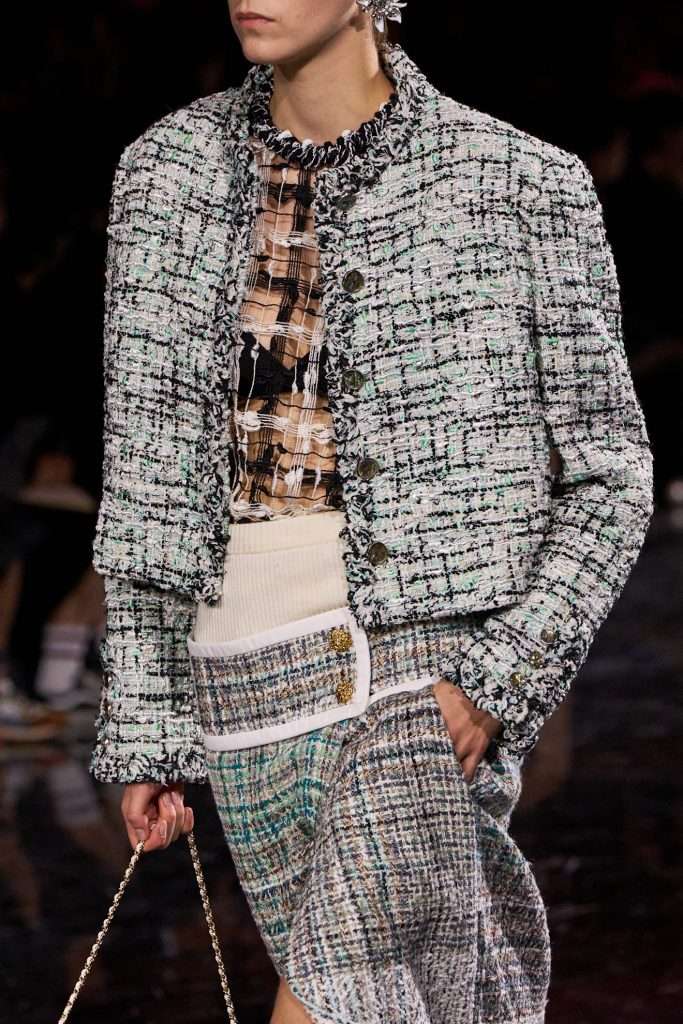
The collection’s final sequence expanded from the personal to the planetary. Masculine blousons softened into sculptural drapes; grids of tweed dissolved into transparent hand-knotted knits; jewellery accumulated not as decoration but as narrative – baroque pearls, enamelled chains, glass orbs orbiting around the human form.
Every gesture hinted at universality. Inside jackets, linings were unexpectedly individual – silk prints, contrasting textures – revealing multiplicity within uniformity. Even the footwear, with its familiar bi-tonal toe, was recalibrated for movement, for forward momentum.
In Blazy’s hands, Chanel’s grammar became a living language – elastic, migratory, and porous to the future.
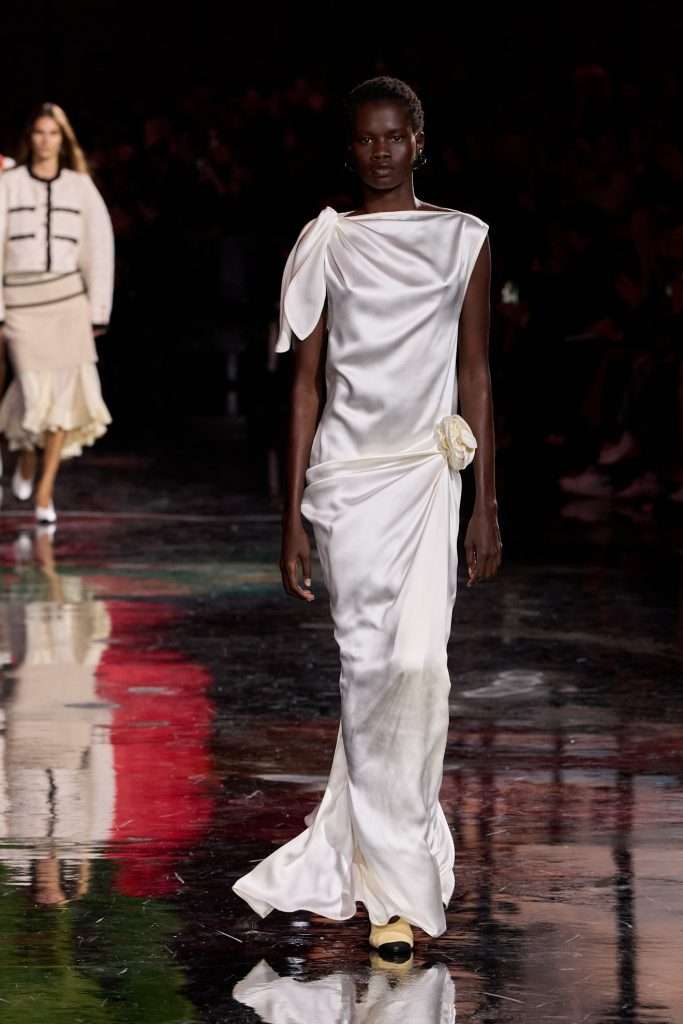
Blazy’s debut was not an exercise in reinvention but in reanimation. His Chanel speaks to the persistence of emotion inside precision, the endurance of tenderness within construction.
He returns Chanel to her first act of rebellion – the pursuit of autonomy through design – but translates it into contemporary idioms: multiplicity, empathy, the freedom to exist between categories. In Une Conversation, the past was not a museum but a mirror. The collection did not ask what Chanel would do today; it asked what she would question.
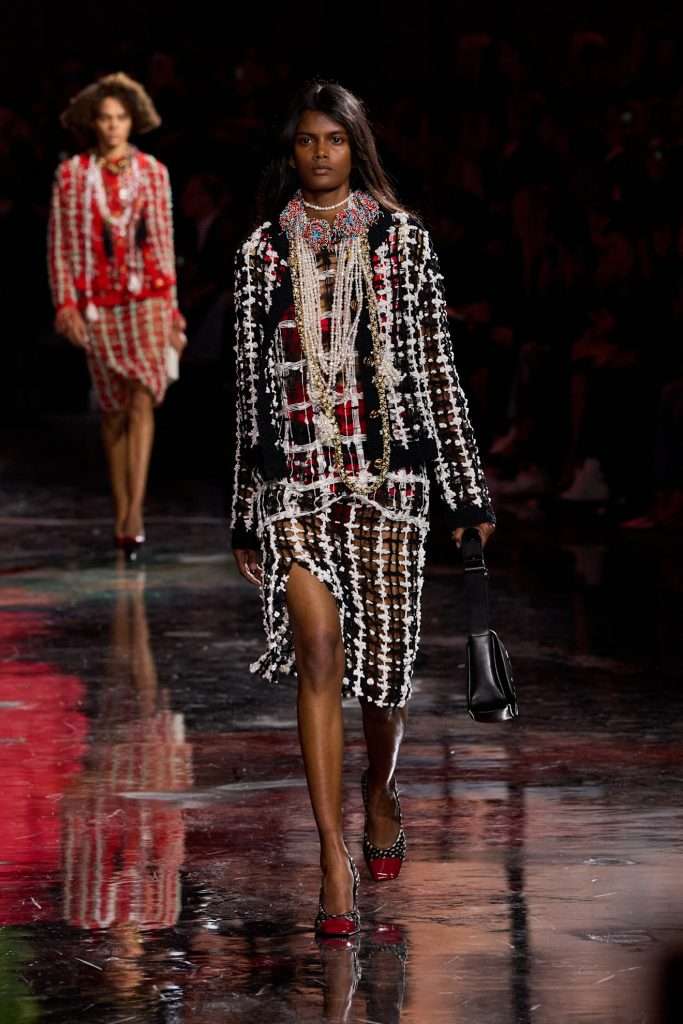
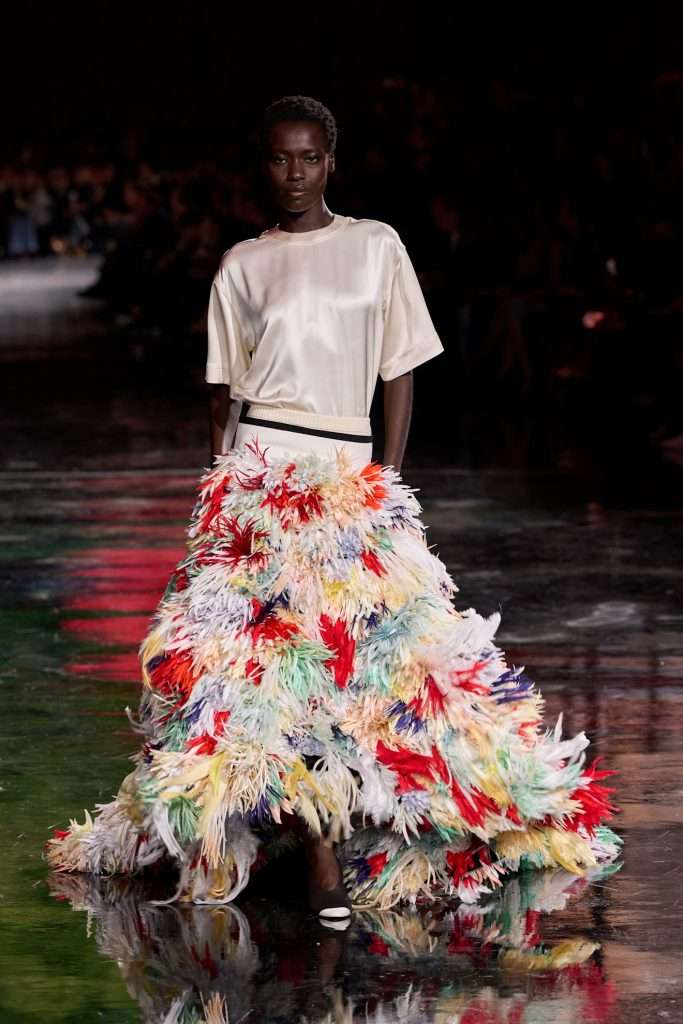
When the final look appeared, a colourful celebration of texture and sartorial joy, the dialogue between Blazy and Gabrielle Chanel was complete, suspended between time and timelessness.
As the lights lifted, fatigue gave way to lucidity. Paris Fashion Week, for all its velocity, ended as it should. Chanel, once again, reminded the world that modernity begins not with novelty, but with the courage to look backward and forward at once – and to see love as the bridge between them. Rewatch the show